Small teams often feel like they are running a race with heavy backpacks. You have big goals but limited hands to do the work. In 2026, the secret to winning is not working longer hours. It is using the right digital helpers to lift that weight. The best productivity tools act like a super-team for your small group. They keep track of tasks, talk for you, and even predict what you need next. This guide will show you exactly which tools to pick. We will also share simple tips to make your team faster and happier today.
Why Small Teams Need Special Tools in 2026
Big companies have huge departments for every little job. Small teams do not have that luxury. Every person on your team wears many hats. You might be the boss, the salesperson, and the tech support all at once. This is why generic tools often fail small groups. They are too complex or too expensive. You need tools built for speed and simplicity.
The cost of doing things the old way is very high now. Studies show that workers switch apps ten times every hour. Each switch breaks their focus for over twenty minutes. That adds up to four lost hours every single day. Imagine getting an extra workday back just by changing your software. That is the power of the right stack in 2026.
Good tools stop the chaos before it starts. They answer three big questions instantly. Who is doing what task? When does it need to be finished? Is the project still making money? Without these answers, small teams drown in emails and confusion. With them, you can focus on growing your business instead of managing messes.
The Hidden Cost of Bad Software
Bad software creates more work than it saves. You end up copying data from one app to another. Important messages get buried in long email chains. Your weekly reports take longer to write than the actual project work. This is called "tool fatigue." It makes your team tired and grumpy.
In 2026, ninety-two percent of leaders say their current tech is not good enough. They struggle to find clear data about their work. This makes it hard to make smart choices. Choosing the right platform is now a critical business decision. It is not just a nice thing to have anymore. It is essential for survival.
The right tool makes the noise go away. You see clearly who is responsible for each job. You know exactly when things are due. You can see if a client project is still profitable in real time. This clarity turns a small team into a well-oiled machine. It lets you punch above your weight class against bigger competitors.
Top Project Management Tools for Small Groups
Project management is the backbone of any team. It is where plans turn into action. In 2026, the best tools do more than just list tasks. They act as a central command center for your whole operation. They bring files, chats, and deadlines into one safe place. Here are the top picks for small teams this year.
Monday.com: The Flexible Work Operating System
Monday.com has grown into a powerful work operating system. It is perfect for teams that need to customize everything. You can build boards for marketing, sales, or even inventory. Its strength is how easy it is to change without coding. Recent updates added smart AI that writes solutions for you.
You can view your work in many ways. Switch between lists, timelines, or Kanban boards with one click. The automation rules handle boring repetitive steps for you. For example, it can move a task to "Done" when you check a box. It sends reminders automatically so nothing slips through the cracks.
This tool scales well as your team grows. You start with simple lists and add complex features later. The interface is colorful and fun, which helps with adoption. People actually enjoy using it because it feels modern. It connects easily with other apps you already use like Slack or Gmail.
ClickUp: The All-in-One Powerhouse
ClickUp aims to replace all your other apps with just one. It combines docs, tasks, chat, and goals in a single workspace. This is great for small teams that want to save money on subscriptions. Instead of paying for five tools, you pay for one powerful suite. The free plan is very generous for starting out.
It offers deep features for those who love details. You can create custom fields, dependencies, and complex workflows. The AI assistant helps write content and summarize meetings instantly. It feels like having an extra intern who never sleeps. However, it can feel overwhelming if you only need simple lists.
Teams use ClickUp to consolidate their entire workflow. You can store design files right next to the task description. Time tracking is built directly into every task card. This gives you clear data on how long things really take. It turns project management into true business management.
Trello: Simple Visual Task Tracking
Sometimes simple is best, especially for very small teams. Trello uses a board and card system that anyone can understand in seconds. You drag cards from "To Do" to "Doing" to "Done." It is visual, fast, and requires almost no training. This makes it perfect for teams that hate complexity.
It works well for linear projects with clear steps. You can add checklists, due dates, and attachments to each card. The power-ups let you add extra features like calendar views or voting. It integrates smoothly with most other major software platforms. Many teams start here and stay here for years.
Trello shines when you need quick visibility. A new team member can look at the board and know the status immediately. There are no hidden menus or confusing settings to learn. It reduces the mental load of managing the tool itself. You spend your energy on the work, not the software.
Essential Communication and Collaboration Apps
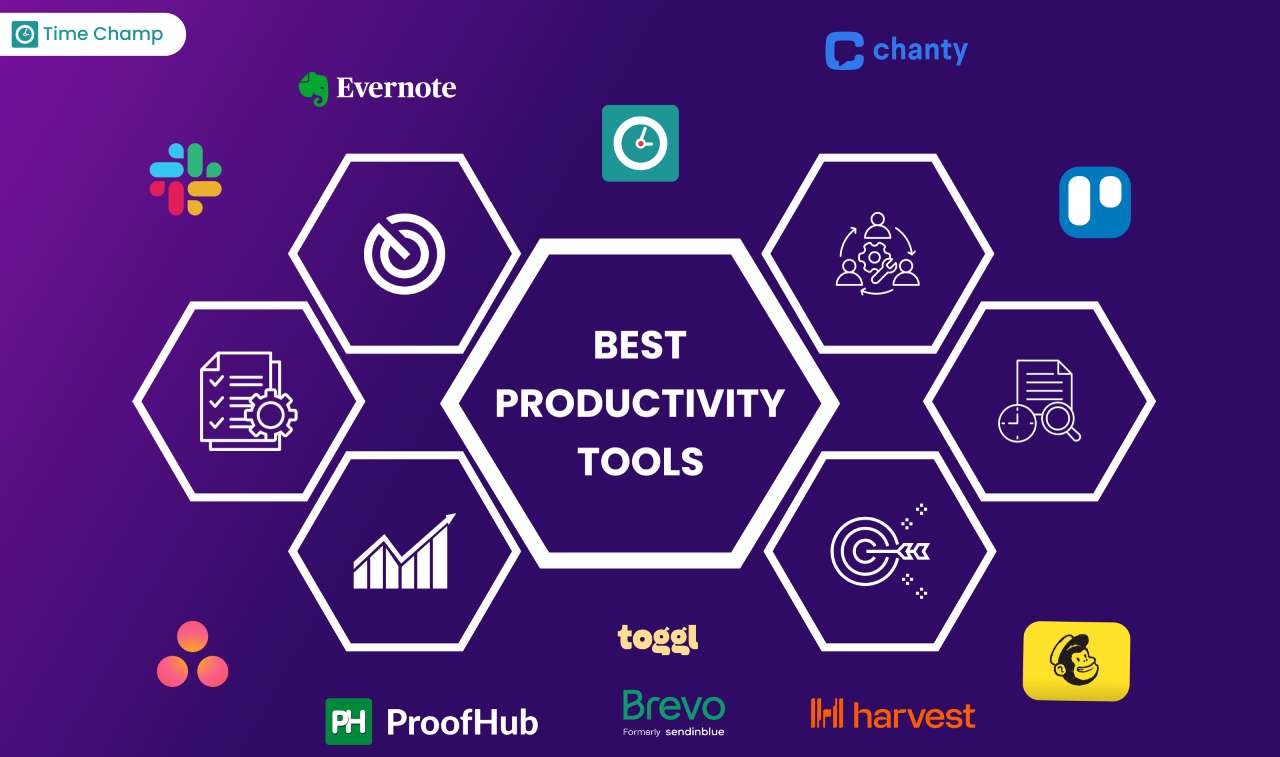
Talking to your team should be easy and clear. Long email threads are slow and often lead to mistakes. In 2026, communication tools focus on speed and context. They help you share ideas without needing a formal meeting. The goal is to keep everyone aligned without constant interruptions.
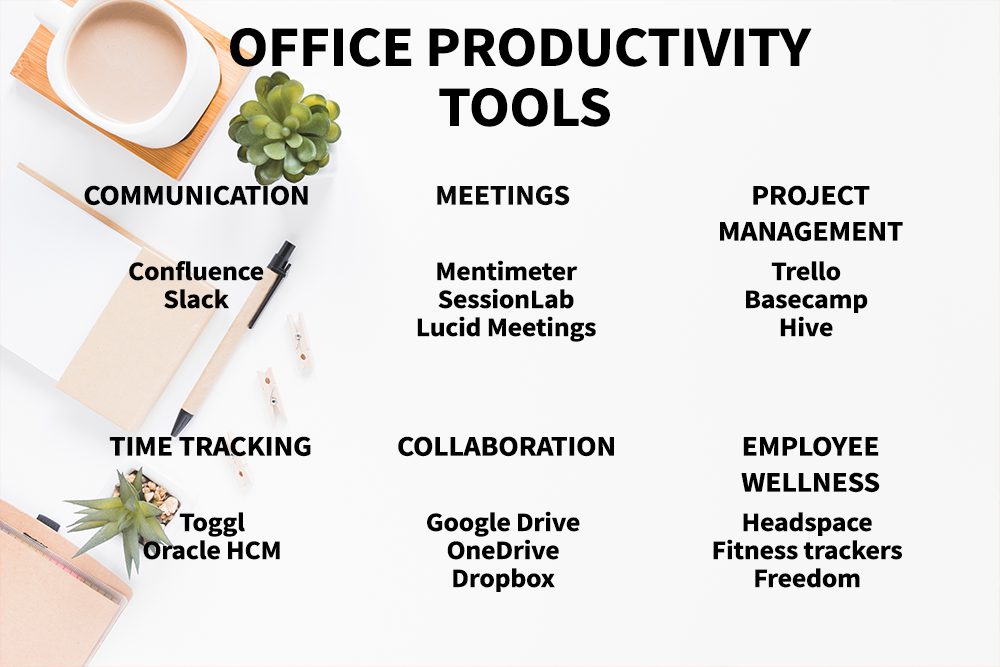
Slack: Structured Team Chat
Slack remains the king of team messaging for a good reason. It organizes conversations into channels based on topics or projects. This keeps important info from getting lost in a giant group chat. You can search past messages easily to find old decisions or files.
The real power of Slack lies in its integrations. You can connect it to your project management tool or Google Drive. Notifications from other apps appear right in the chat window. This means you do not have to keep switching tabs all day. Workflow builders let you automate simple requests like time-off approvals.
For small teams, it creates a virtual office feeling. You can have casual water-cooler chats or serious project discussions. Huddles allow for quick voice calls without scheduling a meeting. It bridges the gap between remote workers effectively. Just remember to set boundaries so people do not feel always-on.
Loom: Asynchronous Video Updates
Meetings eat up huge chunks of the workday. Loom solves this by letting you record short video messages. You capture your screen and your face to explain things clearly. Your team watches it whenever they have time. This is called asynchronous communication and it is a game changer.
It replaces long status meetings and confusing email explanations. You can show a bug, demo a new feature, or give feedback. The viewer sees your tone and facial expressions, which text lacks. This builds trust and reduces misunderstandings significantly. Videos are stored in a library for future reference too.
Small teams love Loom because it saves so much time. A five-minute video can replace a thirty-minute meeting. It allows people in different time zones to work together smoothly. You do not need to coordinate schedules just to share an update. It fosters a culture of transparency and open sharing.
Microsoft Teams: The Hub for Office Users
If your team already uses Microsoft Office, Teams is the natural choice. It combines chat, video meetings, and file storage in one place. The integration with Word, Excel, and PowerPoint is seamless. You can edit documents together while talking in the chat sidebar.
It is robust and secure for businesses of all sizes. The calling features are excellent for replacing traditional phone systems. Channels help organize discussions similar to Slack but within the Microsoft ecosystem. For teams deeply invested in Windows, it offers the smoothest experience.
The learning curve can be slightly steeper than Slack. However, the value is high if you live in spreadsheets and docs. Copilot AI features now help summarize meetings and draft responses. This makes catching up on missed conversations much faster. It is a solid all-rounder for established small businesses.
Time Tracking and Productivity Measurement
Knowing where your time goes is crucial for small teams. You cannot improve what you do not measure. Time tracking tools in 2026 are not about policing employees. They are about finding inefficiencies and proving your value to clients. Accurate data helps you price your services correctly.
Toggl Track: Turning Time into Insights
Toggl Track is famous for being incredibly easy to use. You just press a button to start timing a task. It runs in the background without getting in your way. The reports show you exactly how many hours went to each project. This data is vital for billing clients accurately.
It helps you spot patterns in your work habits. Maybe you see that admin tasks take twice as long as expected. Or perhaps a certain client always requires extra revisions. These insights allow you to adjust your processes and prices. It turns raw time data into actionable business strategy.
The tool integrates with almost every project management app. You can start timers directly from your task list in Asana or ClickUp. This reduces the friction of remembering to track time. The free plan is perfect for small teams just starting out. It scales up nicely as you need more detailed reporting.
Harvest: From Hours to Invoices
Harvest focuses heavily on the financial side of time tracking. It is designed to convert billable hours directly into invoices. This streamlines the payment process for service-based small teams. You can send professional invoices with just a few clicks after tracking time.
It provides clear dashboards showing budget burn rates. You can see if a project is nearing its budget limit in real time. This prevents scope creep and ensures projects remain profitable. Alerts notify you before you go over the agreed-upon hours with a client.
The interface is clean and straightforward for daily use. Team members can submit timesheets easily for approval. It handles expenses alongside time entries for complete project costing. For teams that live and die by billable hours, Harvest is a top contender. It makes the path from work to cash very short.
Clockify: Standardizing Timesheets
Clockify offers a great balance of features and affordability. It is ideal for teams that need detailed timesheets without a high cost. The tool allows for project estimation and comparison against actual time. This helps you get better at predicting how long future tasks will take.
It supports various tracking methods like manual entry or automatic timers. You can generate comprehensive reports for internal reviews or client presentations. The mobile app works well for teams that travel or work off-site. It ensures everyone follows the same tracking standards across the board.
Many small businesses choose Clockify for its generous free tier. You can track unlimited projects and users without paying a dime. Paid plans add advanced features like locking timesheets or custom roles. It is a practical choice for budget-conscious teams needing structure.
Knowledge Management and Documentation
Small teams lose valuable knowledge when people leave or forget things. A central place for notes and guides is essential. Documentation tools in 2026 are smart and collaborative. They make sure information is easy to find and always up to date. This stops the cycle of asking the same questions repeatedly.
Notion: The Flexible Doc-First Workspace
Notion blends notes, databases, and project plans into one fluid tool. It feels like playing with digital Legos where you build what you need. Teams use it for wikis, meeting notes, and product roadmaps. The flexibility allows it to adapt to any workflow you imagine.
AI features in Notion help summarize long documents or brainstorm ideas. You can link pages together to create a web of connected knowledge. Templates make it easy to start common tasks like hiring or onboarding. It serves as the single source of truth for your company.
The learning curve is moderate because of its endless possibilities. However, once set up, it becomes incredibly powerful. Small teams love it because it replaces separate note-taking apps and spreadsheets. It grows with you from a simple notebook to a complex operating system.
Confluence: Structured Knowledge for Growth
Confluence is part of the Atlassian family and pairs well with Jira. It is excellent for teams that need structured and formal documentation. Permissions are granular, so you control who sees sensitive information. It handles large amounts of content without slowing down.
It excels in creating standard operating procedures and technical guides. Macros allow you to embed dynamic content like charts or task lists. Version history ensures you never lose important changes or updates. It is a reliable choice for teams planning to scale up quickly.
While less flexible than Notion, it offers more stability for large docs. Integration with other development tools makes it popular with tech teams. If your team lives in the Atlassian ecosystem, this is the logical choice. It keeps institutional knowledge safe and organized efficiently.
Smart Tips to Boost Small Team Efficiency
Buying the tools is only half the battle. You must use them correctly to see results. Even the best software fails without good habits and clear rules. Here are proven strategies to maximize your team's output in 2026. These tips cost nothing but save hours every week.
Limit Your Tool Stack to Avoid Overload
More tools do not mean more productivity. In fact, too many apps cause confusion and wasted time. Aim to have one primary tool for each category of work. Choose one for chat, one for tasks, and one for docs. Stick to this core stack unless there is a very strong reason to add more.
Evaluate your current apps every six months. Ask if each tool is still adding value to the team. Cancel subscriptions for apps that nobody uses regularly. Simplifying your tech stack reduces monthly costs and mental clutter. A focused team uses fewer tools but uses them better.
Establish Clear Rules of Engagement
Tools work best when everyone agrees on how to use them. Decide which channel is for urgent matters versus casual chat. Set expectations for response times during work hours. Create a guide on how to name files or tag tasks properly. Consistency makes information easy to find for everyone.
Document these rules in your knowledge base for new hires. Review them occasionally to see if they need updating. Encourage feedback from the team on what is working or not. Clear guidelines prevent misunderstandings and frustration down the line. They turn a group of individuals into a coordinated unit.
Embrace Asynchronous Work Habits
Constant real-time communication breaks deep focus and flow. Encourage your team to use async methods like Loom or comments. Let people work on their own schedules when possible. This respects individual peak productivity times and reduces meeting fatigue.
Write down updates instead of calling a meeting to share them. Allow time for people to think before they respond to complex issues. This leads to higher quality decisions and less stress. Async work is especially powerful for teams with members in different time zones. It keeps progress moving even when everyone is not online together.
Automate Repetitive Tasks Whenever Possible
Look for tasks you do every day that follow a pattern. These are perfect candidates for automation. Use built-in features in your tools to handle them automatically. For example, auto-archive completed tasks or send welcome emails to new clients.
Connect your apps using tools like Zapier or native integrations. Let data flow between systems without human intervention. This frees up your team to focus on creative and strategic work. Automation acts as a force multiplier for small teams with limited staff. Start small with one workflow and expand from there.
Frequently Asked Questions
What is the most important feature for a small team tool?
Ease of use is the most critical feature. If a tool is hard to learn, your team will not use it. Look for intuitive interfaces that require minimal training. Adoption is key to seeing any return on investment.
How many productivity tools should a small team have?
Aim for a minimum viable stack of three to five core tools. You typically need one for communication, one for tasks, and one for docs. Add specialized tools only if they solve a specific painful problem. Too many tools create fragmentation and confusion.
Are free versions of these tools good enough for startups?
Yes, many top tools offer robust free plans for small groups. Options like Trello, Notion, and Toggl have generous free tiers. These are often sufficient until your team grows beyond ten people. Upgrade only when you hit specific limits or need advanced security.
How do we get our team to actually use the new tools?
Involve the team in the selection process from the start. Provide proper training and create simple usage guides. Lead by example and use the tools yourself consistently. Celebrate early wins when the tools save time or solve problems.
Can AI tools replace human team members in 2026?
No, AI tools assist humans but do not replace them entirely. They handle repetitive tasks and provide data insights quickly. Humans are still needed for creativity, strategy, and emotional connection. Think of AI as a super-assistant that makes your team stronger.
Conclusion
The landscape of work has changed dramatically by 2026. Small teams now have access to technology that was once reserved for giants. The right mix of productivity tools can level the playing field completely. It allows you to deliver high-quality work faster and with less stress. Remember that tools are just enablers, not magic solutions.
Success comes from combining great software with smart habits. Choose platforms that fit your specific workflow and culture. Keep your stack simple to avoid overwhelming your people. Focus on clear communication and asynchronous collaboration. Measure your time to understand where your value truly lies.
Start by auditing your current processes today. Identify the biggest bottlenecks slowing your team down. Pick one or two tools from this list to address those pain points. Implement them gradually with clear guidelines and training. Watch as your small team transforms into a highly efficient powerhouse. The future of work belongs to those who adapt quickly and work smart.
References
- Teamwork — 10 best team productivity tools for 2026 (tested), 2026
- Fluidwave — Top 12 Team Productivity Tools for 2025, 2025
- Toggl — 11 Best Team Productivity Tools for 2026, 2026
- ContentStudio — I've tried 37+ Productivity Tools — Here are my top 20, 2025
- Atlassian — 10 Best Productivity Tools to Help Hybrid and Remote Teams Thrive, 2024
- Software Crit — 15 Best Productivity Tools for 2026, 2026
- The Digital Project Manager — 27 Best Productivity Tools Reviewed For 2026, 2026