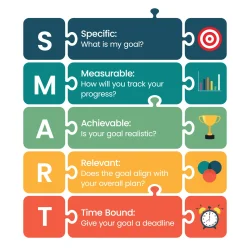
Running a business is like driving a car. You want to go fast, but you also want to save gas. Operational efficiency is exactly that. It means getting more done with less waste. In 2026, this is more important than ever. Companies that do this well make more money. They also keep their customers happy. This guide will show you simple steps on how to improve operational efficiency in your business. You will learn how to work smarter, not harder. Let us start your journey to a better business today.
What Is Operational Efficiency and Why Does It Matter?
Operational efficiency sounds like a big, scary word. But the idea of how to improve operational efficiency in your business is very simple. It is about using your time and money wisely. Think of it as cleaning up your room. When your room is clean, you find things faster. You do not waste time looking for lost toys. Businesses work the same way. When processes are clean, work gets done faster.
The Three Main Parts of Efficiency
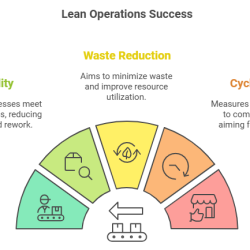
Every efficient business focuses on three key things. These are cost, time, and quality. You must balance all three to succeed.
- Cost: This is how much money you spend to run your shop. Efficient businesses spend less money on useless things.
- Time: This is how fast you finish your work. Fast delivery makes customers smile.
- Quality: This means your product must still be great. Being fast should never mean being sloppy.
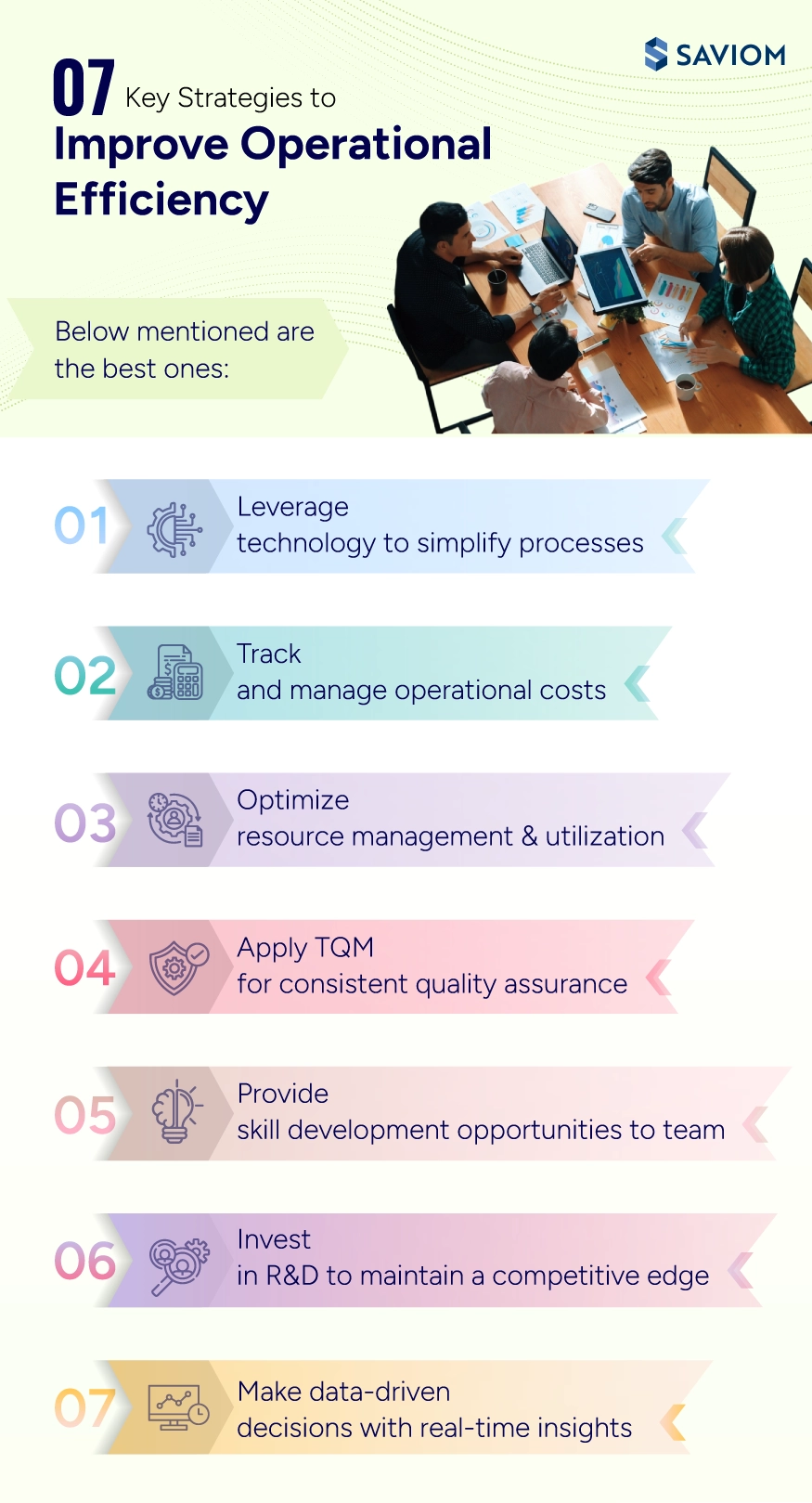
When you improve these three areas, good things happen. Your profits go up because you save money, demonstrating how to improve operational efficiency in your business effectively. Your team feels less stressed because work flows smoothly. Customers come back because they get what they need quickly. A recent survey showed that 78 percent of companies now use smart tools to help with this. If you do not join them, you might fall behind.
Why You Cannot Ignore This in 2026
The world moves very fast right now. New technology comes out every day. Customer expectations are higher than ever before. They want their orders instantly. They want perfect service every time. If your business is slow or messy, they will leave. They will go to a competitor who is faster.
Efficiency helps you stay ahead of the competition. It lets you offer better prices while keeping good quality, which is key to how to improve operational efficiency in your business. It also helps your business grow. Imagine trying to build a tall tower on a shaky base. It will fall over. Efficient operations are a strong base for growth. Without them, expanding your business becomes very hard and risky, making it essential to understand how to improve operational efficiency in your business.
Step 1: Audit Your Current Processes Honestly
You cannot fix what you do not understand. The first step on how to improve operational efficiency in your business is to look closely at how you work. This is called an efficiency audit. It is like a doctor checking your health. You need to find the sickness before you can cure it. Many businesses skip this step. That is a big mistake.
How to Find Hidden Waste
Waste hides in many places. It could be in old paperwork. It could be in long meetings that go nowhere. It could be in steps that nobody remembers why they exist. You need to map out every single task your team does. Write down each step from start to finish. Ask your employees what slows them down. They know the truth better than anyone else.
Look for tasks that add no value. Some tasks are needed, like paying bills. Others are just useless noise. Identify which ones stop your team from doing real work. 62 percent of employees feel disengaged at work. Often, this is because they are stuck doing boring, useless tasks. Fixing this makes them happier and more productive, a vital part of how to improve operational efficiency in your business.
Use Data to See the Truth
Do not just guess where the problems are. Use data to see clearly. Modern software can track how time is spent. These tools show you exactly where minutes turn into hours. They highlight bottlenecks in your system. A bottleneck is like a traffic jam. It stops everything behind it from moving. Once you see the jam, you can clear it.
Data helps you make smart choices. It removes feelings and opinions from the equation. You will see facts about your workflow. This makes it easier to convince your team to change. When people see the numbers, they understand the need for improvement. It turns a vague feeling into a clear plan of action.
Step 2: Embrace Automation and Artificial Intelligence
In 2026, doing everything by hand is too slow. Automation is your best friend when considering how to improve operational efficiency in your business. It lets machines do the boring work for you. This frees up your humans to do creative thinking. Artificial Intelligence, or AI, is the brain behind this magic. It can learn and improve over time.
Where to Use Automation First
Start with repetitive tasks. These are jobs that are the same every day. Examples include sending welcome emails or entering data. Robots can do these tasks without getting tired. They never make spelling mistakes either. This saves a huge amount of time for your staff.
Inventory management is another great place for automation. Smart systems can track stock levels automatically. They can even order new supplies when you run low. This prevents you from running out of products. It also stops you from buying too much and wasting money. Payroll and billing are other areas where automation shines.
The Power of Generative AI
Generative AI is a special type of smart tool. It can write reports, create images, and answer questions. In 2026, almost every successful business uses it. It acts like a super-smart assistant for your team. It helps draft contracts in seconds. It summarizes long meetings instantly.
Using AI does not mean replacing your workers. It means giving them superpowers. A worker with AI can do the work of ten people. This boosts your output without hiring more staff, showing how to improve operational efficiency in your business through technology. Training your team on these tools is vital. Make sure everyone knows how to use them properly. This investment pays off very quickly in saved time.
Step 3: Streamline and Simplify Your Workflows
Sometimes we make things too complicated. We add steps that are not needed. This creates confusion and delays. Streamlining means making your path straight and clear, a crucial step in how to improve operational efficiency in your business. Remove anything that does not help reach the goal. Keep it simple so everyone understands.
Cut the Red Tape
Red tape refers to unnecessary rules and forms. These slow down decision-making. If a manager needs five signatures to buy a pen, that is red tape. Find these blocks and remove them. Give your teams the power to make small decisions. This speeds up daily operations significantly.
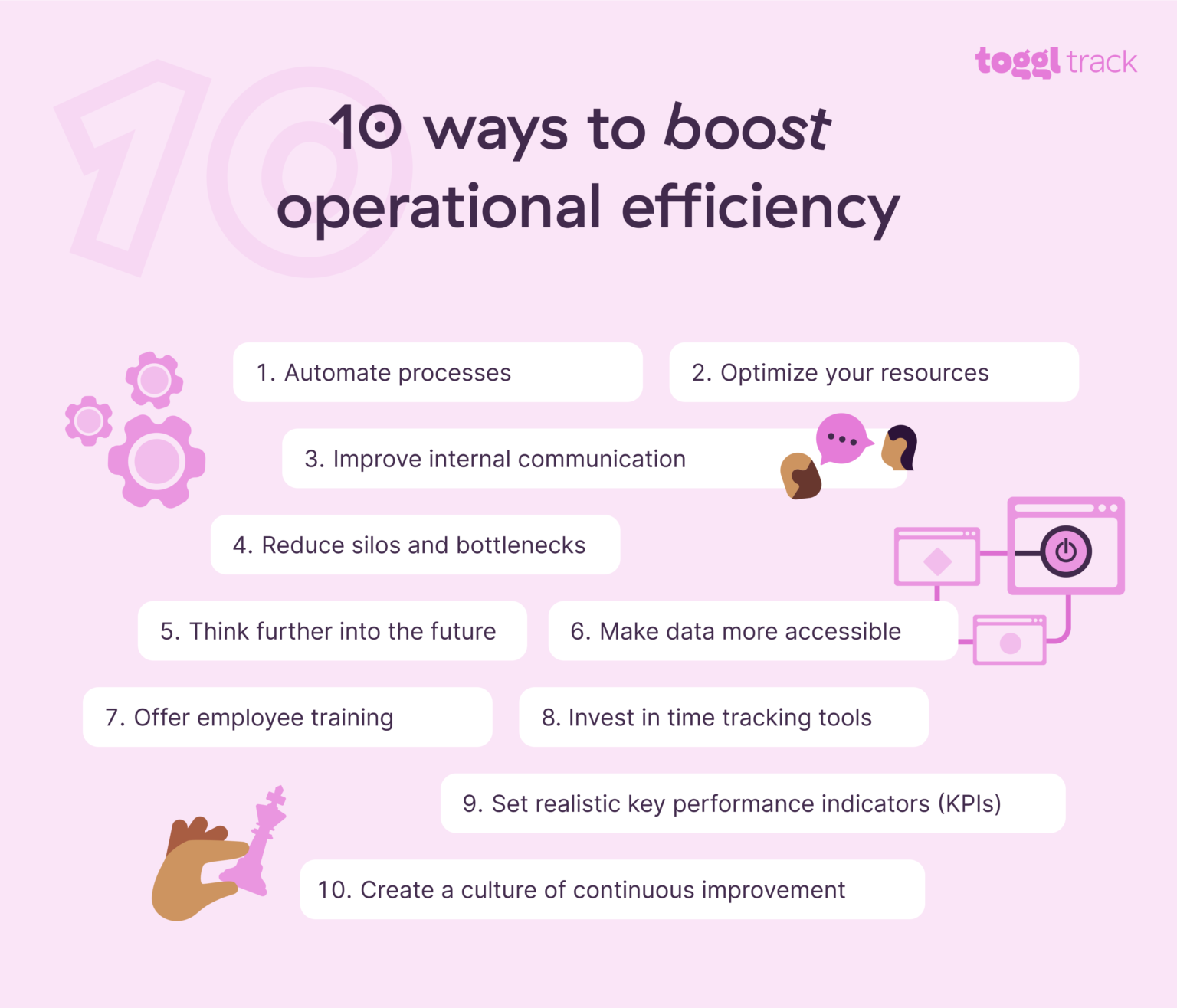
Simplify your communication channels too. Do not use five different apps to talk. Pick one or two and stick to them. Too many tools cause information to get lost. Clear communication keeps projects moving forward. It ensures everyone knows what to do next.
Optimize Cross-Department Collaboration
Silos are bad for business. A silo is when teams do not talk to each other. Sales might promise something Production cannot deliver. This causes anger and wasted effort. Break down these walls. Encourage teams to work together often.
Hold regular meetings between different departments. Share goals and updates openly. Use shared digital spaces for project tracking. When everyone sees the big picture, they work better together. This reduces errors and rework. It creates a smooth flow from idea to finished product, which is a direct result of understanding how to improve operational efficiency in your business.
Step 4: Invest in Your People and Culture
Technology is great, but people make it work. Your employees are your most valuable asset. If they are unhappy or untrained, efficiency drops. Investing in them is investing in your future and a key aspect of how to improve operational efficiency in your business. Happy workers are productive workers.
Training and Skill Development
The world changes fast, and skills become outdated quickly. Regular training keeps your team sharp. Teach them new software and new methods. Cross-training is also very useful. This means teaching a person to do another job. If one person is sick, another can step in. This keeps work going without interruption.
Good onboarding is crucial for new hires. Do not just throw them into the deep end. Give them a clear map of their role. Show them how their work fits the big picture. Well-trained employees make fewer mistakes. They solve problems faster and need less supervision.
Building a Culture of Improvement
Encourage your team to speak up. Let them share ideas for making things better. Often, the person doing the job knows the best fix. Create a safe space for experimentation. Not every idea will work, and that is okay. Reward those who try to improve processes.
A culture of continuous improvement never stops. It is not a one-time project. It is a mindset that everyone shares. Review your goals regularly. Adjust them as the market changes. Celebrate small wins along the way. This keeps morale high and momentum strong, reinforcing the principles of how to improve operational efficiency in your business.
Step 5: Leverage Data Analytics for Smart Decisions
Guessing is a thing of the past. In 2026, data drives success. You need to measure everything that matters. Metrics tell you if you are winning or losing when trying to figure out how to improve operational efficiency in your business. They act as the dashboard for your business car. Without them, you are driving blind.
Key Metrics to Watch
Not all numbers are equal. Focus on the ones that truly matter. Look at your cost per unit produced. Track the time it takes to deliver an order. Monitor customer satisfaction scores closely. These metrics give you a clear picture of health.
Employee productivity is another key area. Are they busy or are they effective? Busy does not always mean productive. Use time-tracking tools to see the difference. This helps you allocate resources better. It shows you where to add help or cut fat.
Turning Data into Action
Collecting data is useless if you do not use it. You must analyze the numbers regularly. Look for trends and patterns over time. Is a certain process getting slower? Is a specific product costing more? Dig deep to find the root cause.
Make decisions based on these findings. If data shows a delay, fix the process immediately. If costs are rising, find cheaper suppliers or better methods. Data removes doubt from leadership. It gives you confidence in your choices. This leads to steady and sustainable growth for your company, a clear outcome of knowing how to improve operational efficiency in your business.
Overcoming Common Barriers to Efficiency
Even with a good plan for how to improve operational efficiency in your business, you will face hurdles. Knowing them helps you prepare. Resistance to change is the biggest one. People like doing things the old way. They fear new technology or new rules. You must communicate clearly to overcome this fear.
Explain the "why" behind every change. Show how it makes their lives easier, not harder. Provide plenty of support during the transition. Be patient as they learn new skills. Another barrier is poor data quality. If your data is wrong, your decisions will be wrong. Ensure your systems are clean and accurate.
Budget constraints can also be a problem. You might think you cannot afford new tools. But inefficiency costs you more in the long run. Start small with low-cost solutions. Prove the value before asking for bigger budgets. Often, saving a little money proves you can save a lot.
Real-World Success Stories
Many companies have transformed using these steps. A retail chain used AI to manage stock. They reduced waste by 30 percent in one year. Their shelves were always full, and customers were happy. A manufacturing firm automated their assembly line. They doubled production without hiring new staff. Their workers moved to quality control roles instead.
A service company streamlined their booking process. They cut the time to schedule an appointment in half. Customer complaints dropped dramatically. Revenue went up because they could serve more people. These stories show that efficiency works in any industry, providing practical examples of how to improve operational efficiency in your business. The principles remain the same regardless of what you sell.
You do not need to be a giant corporation to succeed. Small businesses benefit even more from being lean. They can adapt faster than big competitors. By focusing on cost, time, and quality, you can win. Start applying these lessons to your own business today.
Conclusion
How to improve operational efficiency in your business is a journey, not a destination. It requires constant attention and care. In 2026, the businesses that thrive will be the efficient ones. They will use technology wisely. They will treat their people well. They will rely on data to guide them.
Start by auditing your current state. Find the waste and cut it out. Bring in automation to handle the boring stuff. Train your team to be experts in their fields. Keep measuring your progress and adjusting your course. Remember that small steps lead to big results over time.
Your business has massive potential waiting to be unlocked. Do not let inefficiency hold you back. Take action now to build a stronger, faster, and smarter company. The future belongs to those who are ready to optimize. Go out there and make your business the best it can be by focusing on how to improve operational efficiency in your business.
FAQ
Q: How long does it take to see results from learning how to improve operational efficiency in your business?
A: You can see small wins in a few weeks. Big changes might take six months or more. It depends on how big your business is. Start with quick fixes to build momentum.
Q: Is automation too expensive for small businesses?
A: No, there are many affordable tools available today. Some even have free versions to start. The money you save on time pays for the tool quickly. Start small and grow as you earn.
Q: Will automation replace my employees?
A: No, it will change their jobs, not remove them. Automation handles boring tasks so humans can do creative work. This usually makes employees happier and more valuable.
Q: What is the first thing I should do tomorrow?
A: Talk to your team and ask what slows them down. Then, pick one small process to fix. Do not try to change everything at once. One small win leads to another.
Q: How often should I review my operational metrics?
A: Check key numbers every week or month. Do a deep review every quarter. This keeps you aware of problems before they get big. Regular checks keep your business healthy.
References
- Coursera Staff — How to Improve Operational Efficiency and Reduce Costs, 2025
- Michelle Newblom — How To Improve Operational Efficiency (10 Proven Steps), 2024
- Teramind Team — 10 Proven Strategies to Boost Operational Efficiency, 2026
- Brandon Woods — Operational Efficiency: Best Practices for Enhancing Your Business, 2025
- Brex Editorial — 5 Proven Strategies to Improve Your Operational Efficiency, 2025
- NetSuite Experts — 17 Steps to Improve Operational Efficiency, 2025
- Industry Analysts — Operational Efficiency Trends Businesses Adopt in 2026, 2026