The modern workplace has evolved dramatically, yet many organizations remain trapped in an endless cycle of calendar invites. Leaders often mistakenly equate more meetings with better alignment, inadvertently suffocating actual productivity. In 2026, the most successful companies have realized that true synergy relies on asynchronous communication, AI-driven workflows, and intentional digital workspaces.
If your team is suffering from Zoom fatigue and fragmented focus, you are not alone. This comprehensive guide explores how to improve team collaboration at work without more meetings. We will break down a real-world case study, actionable strategies, and the latest technological advancements shaping the future of work.
The Hidden Cost of Meeting Overload in 2026
Before diving into solutions, we must understand the severe impact of meeting overload on modern teams. A recent industry analysis revealed that 86% of employees and executives cite a lack of effective teamwork and collaboration as the top reason for workplace failures. Ironically, the very meetings meant to foster teamwork often become the primary roadblock to achieving it.
The shift to hybrid and remote work models has birthed the "always-on" trap. Constant pings, mandatory daily stand-ups, and weekly syncs blur the lines between deep work and administrative busywork. This culture of immediacy leads to severe mental fatigue, context switching, and a drastic decrease in overall output.
When teams spend upwards of 20 hours a week in synchronous discussions, they have no time left for execution. Projects stall, innovation drops, and employee burnout skyrockets. To combat this, forward-thinking leaders are entirely rethinking how information flows across their organizations.
Case Study: How NexusFlow Reclaimed 15 Hours a Week per Employee
To illustrate these concepts, let us examine NexusFlow, a mid-sized B2B SaaS company that successfully overhauled its collaboration model between Q4 2025 and Q1 2026. NexusFlow was struggling with severe departmental silos between their sales, marketing, and customer support teams.
The Challenge: Silos and Calendar Tetris
By late 2025, NexusFlow employees were averaging 24 hours of meetings per week. Cross-functional projects were delayed by an average of 18 days due to scheduling bottlenecks. Employee Net Promoter Scores (eNPS) had plummeted to a concerning 32, with "meeting fatigue" cited as the primary grievance in internal surveys.
The Methodology: Shifting to Asynchronous and AI-Driven Work
The leadership team decided to implement a strict "Async-First" methodology. They audited every recurring meeting and eliminated 60% of them immediately. To fill the communication gap, they deployed agentic work management platforms and centralized their digital workspaces.
Instead of gathering to discuss project statuses, teams began relying on automated dashboards and AI teammates to summarize progress. They established clear rules for when synchronous communication was actually required, reserving live meetings strictly for complex brainstorming and emotional relationship-building.
Execution: A 90-Day Transformation Timeline
During the first 30 days, NexusFlow mapped out all key stakeholders and redefined role expectations. Days 31 to 60 focused on integrating AI agents to handle routine status updates and data gathering. By day 90, the new asynchronous rituals were fully embedded into the company culture.
The Results and Metrics
The results of this 90-day transformation were staggering. NexusFlow saw a 40% reduction in total meeting hours, dropping the weekly average to just 9 hours per employee. Cross-team project delivery speed improved by 35%, and their eNPS score surged to 68. By eliminating the speed trap of constant check-ins, they achieved a 30% boost in overall conversion rates for collaborative marketing campaigns.
6 Proven Strategies to Foster Collaboration Without Physical Meetings
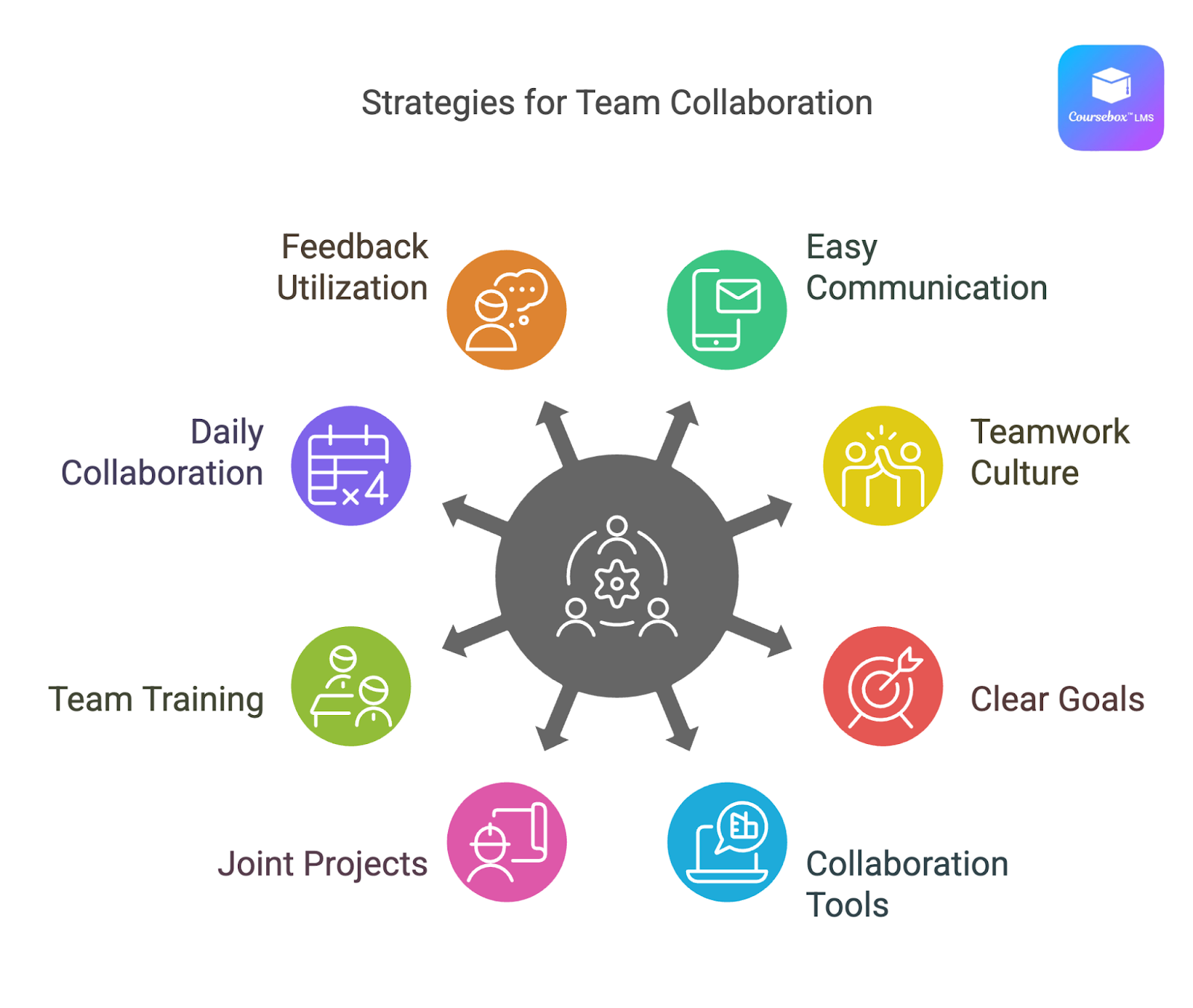
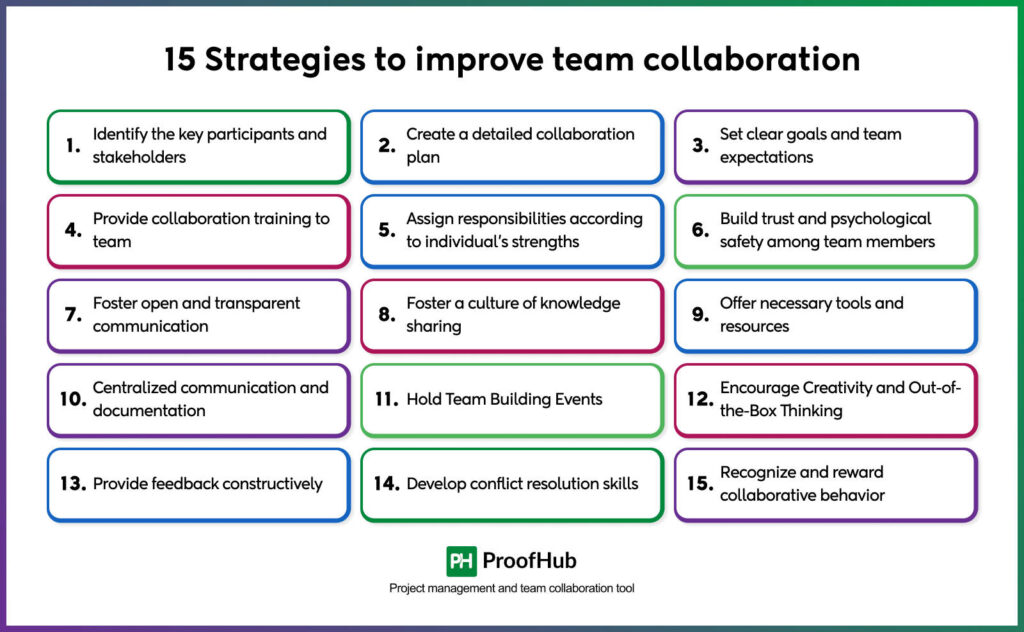
Inspired by the NexusFlow case study and leading industry research, here are six actionable strategies to elevate your team's collaboration without adding a single calendar invite.
1. Define Clear Roles, Participants, and Stakeholders
One of the primary reasons meetings spiral out of control is the inclusion of unnecessary personnel. Effective collaboration requires a strict distinction between key participants and stakeholders. Key participants are the individuals directly executing the day-to-day work and making tactical decisions.
Stakeholders, conversely, are those affected by the outcomes but not involved in the granular execution. By mapping these groups accurately, you can provide stakeholders with automated, read-only dashboard access. This keeps them perfectly aligned and informed without forcing them into time-consuming synchronous discussions.
2. Leverage AI Agents and Agentic Work Management
The year 2026 has ushered in the era of AI teammates and agentic workflows. Platforms now feature built-in AI agents capable of executing workflows autonomously, summarizing long document threads, and generating project briefs. Instead of hosting a meeting to assign tasks, managers can use AI copilots to instantly distribute work based on team capacity and historical strengths.
These intelligent tools act as a digital chief of staff, ensuring that no critical update slips through the cracks. By offloading administrative coordination to AI, human employees are freed to focus on high-value, creative problem-solving.
3. Centralize Communication in Shared Digital Workspaces
Fragmented communication across emails, direct messages, and disparate apps destroys team alignment. To collaborate effectively without meetings, all project-related discussions must live in a centralized digital workspace. Tools like Slack or unified work management platforms ensure that information is searchable, transparent, and accessible to everyone across different time zones.
When a question arises, team members can drop it in a dedicated project channel rather than scheduling a quick sync. This creates a living repository of knowledge that prevents duplicated effort and accelerates onboarding for new team members.
4. Establish Asynchronous Update Rituals
Replacing the daily stand-up meeting with an asynchronous update ritual is a game-changer for remote and hybrid teams. Utilize automated prompts that ask team members three simple questions at the start of their day: What did you accomplish yesterday? What are you focusing on today? Are there any blockers in your way?
Team members can respond via text, voice notes, or quick video clips on their own time. This respects individual focus blocks while providing leaders with complete visibility into project momentum and potential roadblocks.
5. Build Psychological Safety and Trust Remotely
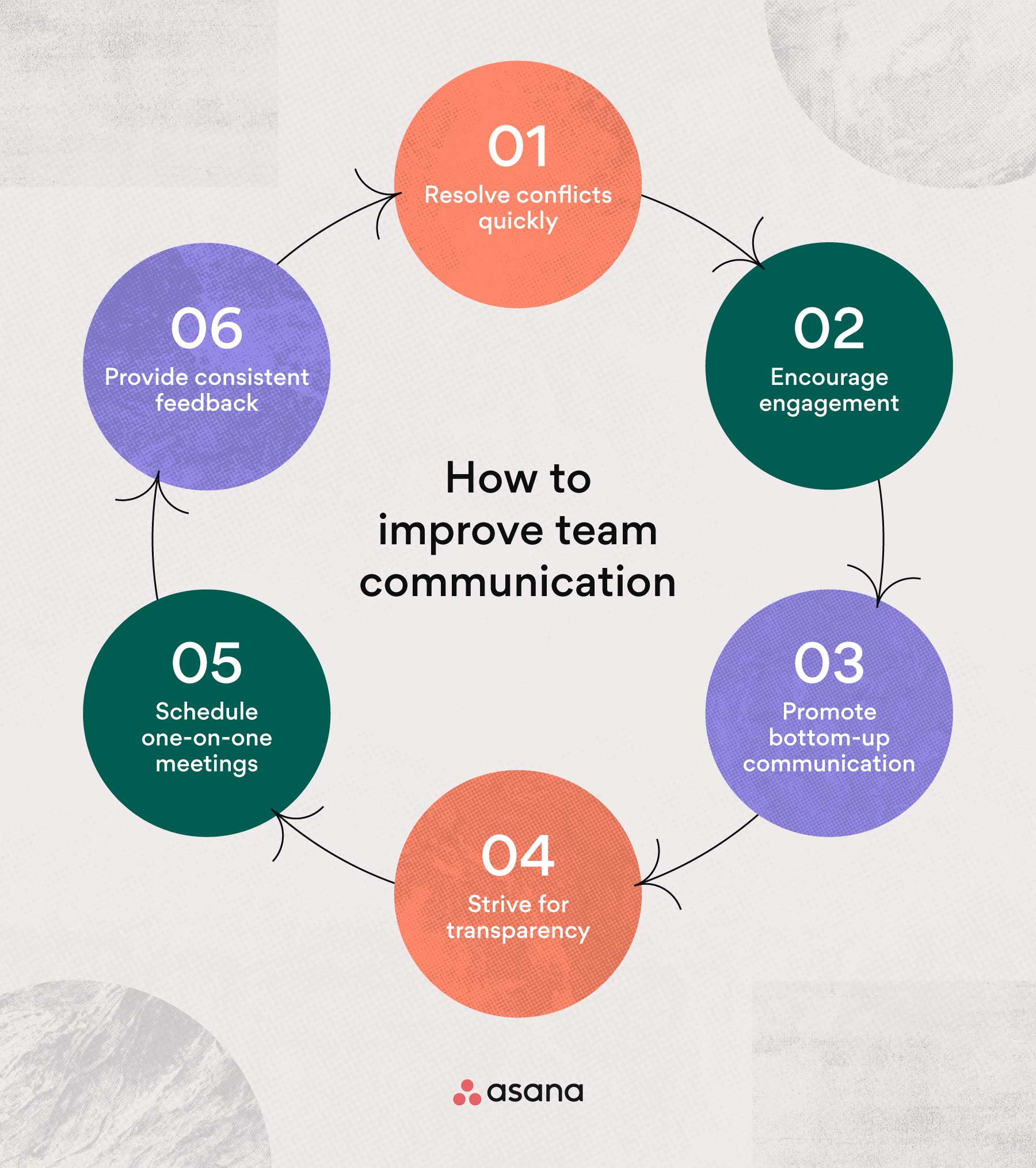
Collaboration cannot thrive in an environment where employees fear criticism or feel micromanaged. Fostering psychological safety is essential for teams to share innovative ideas and admit mistakes without the need for constant managerial oversight. Leaders must cultivate a culture of trust by celebrating public wins in digital channels and encouraging open, transparent feedback.
When team members feel supported and heard, they take shared responsibility for outcomes. This intrinsic motivation drives high-performance teamwork far more effectively than mandatory surveillance meetings ever could.
6. Automate Routine Workflows and Approvals
Bottlenecks often occur when a project stalls waiting for a manager's verbal approval during a weekly sync. By implementing custom automation rules and dynamic request forms, teams can keep work moving continuously. When a task reaches the review stage, the system automatically notifies the appropriate approver with all necessary context attached.
This eliminates the "waiting for the meeting" delay and drastically reduces manual busywork. Automation ensures that standard operating procedures are followed consistently, allowing teams to adapt quickly to shifting priorities.
Key Takeaways, Mistakes Made, and Lessons Learned
The journey to a meeting-free collaborative culture is rarely flawless. Analyzing the missteps of early adopters provides invaluable lessons for organizations transitioning in 2026.
The Mistake: Over-Automating Human Connection
In their initial zeal to eliminate meetings, some companies accidentally eradicated vital human connection. NexusFlow, for example, initially banned all synchronous video calls, which led to a temporary dip in team morale and creative brainstorming. They quickly learned that while status updates should be async, complex problem-solving and empathy-building still require live, face-to-face interaction.
The Lesson: Tech Enables, Culture Sustains
Deploying the latest AI work management software will not fix a broken, siloed culture. Technology simply amplifies your existing operational habits. The ultimate lesson is that leaders must intentionally design a culture that values deep work, respects boundaries, and rewards outcomes over visible busyness.
Future Outlook: The Next Era of Team Synergy
As we look toward the remainder of 2026 and beyond, the definition of workplace collaboration will continue to evolve. We are moving toward predictive collaboration, where AI anticipates cross-functional bottlenecks before they occur and automatically routes resources to resolve them.
Furthermore, the integration of spatial computing and advanced virtual whiteboards will make the few synchronous meetings we do hold incredibly immersive and highly productive. The goal is no longer just to reduce meeting time, but to elevate the quality of human interaction when it actually happens. Teams that master this balance will dominate their industries through unprecedented agility and innovation.
Frequently Asked Questions (FAQ)
1. How do we handle urgent issues without scheduling a meeting?
Urgent issues should be handled through established escalation protocols in your centralized messaging app. Utilize dedicated "war room" channels with strict notification overrides for critical alerts. If an issue requires complex debate, default to a quick, strictly time-boxed audio huddle rather than a formal calendar invite.
2. What is the best type of tool for team collaboration in 2026?
The best tools in 2026 are unified agentic work management platforms that combine task tracking, AI-driven automation, and communication in one space. Look for software that features AI teammates capable of summarizing threads, generating reports, and autonomously routing tasks to reduce context switching.
3. How can we maintain company culture without daily stand-ups?
Culture is built through shared experiences, recognition, and psychological safety, not daily status reports. Host monthly virtual social events, create dedicated channels for non-work interests, and use peer-to-peer recognition bots. Reserve your limited synchronous meeting time specifically for team bonding and high-level strategic alignment.
4. How can managers track productivity without micromanaging?
Managers should track productivity by measuring outcomes and deliverables rather than hours logged or messages sent. Utilize real-time visual dashboards that provide transparent insights into project milestones and team capacity. This shifts the managerial focus from supervising daily activities to removing strategic roadblocks.
Conclusion
Improving team collaboration at work without adding more meetings is not just a productivity hack; it is a fundamental necessity for survival in the 2026 business landscape. By defining clear roles, leveraging AI agents, and committing to asynchronous rituals, organizations can unlock unprecedented levels of innovation and employee satisfaction.
The case of NexusFlow proves that when you strip away the administrative bloat of endless syncs, you make room for actual work to happen. Start auditing your calendars today, empower your teams with the right digital workspaces, and watch your organization transform into an agile, high-performing powerhouse.
References
- Asana — Collaboration in the Workplace: 11 Strategies & Tools, 2026
- Coursebox AI — 8 Proven Strategies to Increase Collaboration Between Teams, 2025
- ProofHub — 15 Collaboration Strategies to Improve Teamwork in the Workplace, 2025
- Slack — Nine Ways to Boost Team Productivity, 2025
- Wrike — 15 Collaboration Strategies That Make Teamwork Actually Work, 2025
