The fast-paced business environment of 2026 demands continuous improvement of business processes. For small businesses, staying competitive means doing more with less while maintaining exceptional quality. Workflow improvement examples for small businesses are no longer just corporate buzzwords; they are essential survival strategies.
Every business runs on various processes to achieve a set of objectives. If operations remain stagnant, growth stalls and eventual failure looms. By adopting business process improvement (BPI), small companies can streamline workflows, eliminate redundancies, and optimize outcomes. These are crucial workflow improvement examples for small businesses looking to thrive.
In this comprehensive guide, we will explore actionable workflow improvement examples for small businesses, dive deep into a realistic case study, and provide proven examples to boost your productivity. Whether you are looking to implement Lean principles or deploy workflow automation, this guide has you covered.
The 2026 Landscape: Why Small Businesses Must Optimize Workflows
The Cost of Inefficiency
Small businesses face unique challenges when managing daily operations. Juggling hundreds of repetitive tasks often leads to human errors, burnout, and wasted resources. Manual processes simply cannot scale alongside your growing customer base. Understanding these challenges is the first step towards implementing effective workflow improvement examples for small businesses.
Identifying inefficiencies is the critical first step in the process improvement journey, paving the way for practical workflow improvement examples for small businesses. Organizations must look for signs of waste, such as redundant steps, excessive handoffs, and communication delays. Failing to address these bottlenecks directly impacts your bottom line and customer satisfaction.
Key Methodologies for Success
To evaluate current processes, businesses often rely on established management disciplines. The three most effective methodologies for implementing workflow improvement examples for small businesses include:
- LEAN Methodology: Focuses heavily on eliminating waste and excess processing to accelerate delivery cycles.
- Six Sigma: Aims to reduce variation and defects, ensuring high-quality products and services.
- Total Quality Management (TQM): Encourages a company-wide culture of continuous improvement and customer focus.
Using these frameworks, small businesses can adapt to changing market requirements and increase overall production efficiency. These frameworks provide a solid foundation for developing practical workflow improvement examples for small businesses.
Case Study: Transforming "Bloom & Brew" (A Small Business Challenge). This case study illustrates real-world workflow improvement examples for small businesses.
The Challenge: Bottlenecks and Burnout
By early 2025, Bloom & Brew was struggling with severe operational bottlenecks. The management team relied on manual email chains for inventory approvals and handwritten invoices for wholesale coffee bean orders.
Employee turnover reached 35% due to administrative burnout. Furthermore, stockouts of popular floral arrangements and coffee syrups led to a 15% drop in recurring revenue. The owners realized that without workflow automation, the business would not survive another fiscal year. This situation highlighted the urgent need for effective workflow improvement examples for small businesses to prevent collapse.
The Methodology: Mapping and Automation
The leadership team adopted a Lean methodology approach to map out their existing workflows. They documented every step of their procurement, customer onboarding, and marketing processes to identify glaring inefficiencies. This systematic approach is key to uncovering actionable workflow improvement examples for small businesses.
They decided to implement an iterative approach, tackling the most time-consuming manual tasks first. The goal was to eliminate redundancies, improve resource utilization, and redirect staff focus toward strategic, customer-facing initiatives. This iterative strategy is a common thread in successful workflow improvement examples for small businesses.
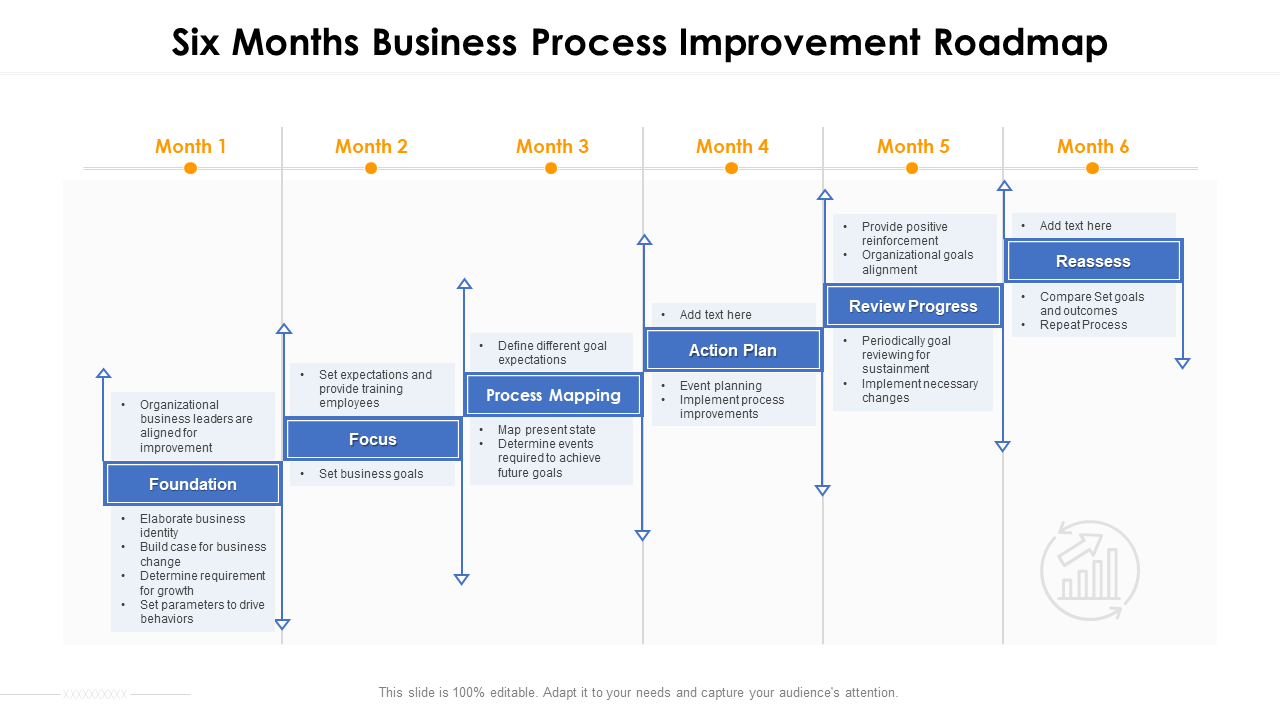
Execution and Timeline (6-Month Roadmap)
The transformation was executed over a strict six-month timeline to ensure minimal disruption to daily operations.
- Month 1-2: Mapped all core processes and selected a centralized workflow automation platform (integrating tools like IFTTT and Zoho Creator) to connect their CRM, POS, and inventory systems.
- Month 3-4: Deployed automated invoice processing and inventory reorder notifications. Trained staff on the new digital approval chains.
- Month 5-6: Launched AI-driven email marketing automation and automated customer onboarding for their wholesale coffee subscription service.
Results and Impact
The metrics following the six-month implementation were staggering and proved the value of business process improvement. These results serve as compelling workflow improvement examples for small businesses, demonstrating tangible benefits.
- Invoice Processing: Reduced processing time by 75%, significantly enhancing cash flow management with real-time financial visibility.
- Inventory Management: Automated reorder notifications minimized stockouts entirely, cutting inventory management time by 50%.
- Customer Onboarding: Streamlined wholesale onboarding reduced setup time by 65%, leading to a massive boost in B2B client satisfaction.
- Revenue Growth: Personalized email marketing campaigns enhanced customer engagement by 80%, generating significantly higher revenue through tailored promotions.
Mistakes Made and Lessons Learned
The transition was not without its hurdles. Initially, the owners made the mistake of automating a flawed manual process without simplifying it first. This led to "automated chaos" during Month 3, requiring a complete redesign of the procurement workflow.
The key takeaway was that automation should only be applied to optimized processes. Furthermore, they learned that continuous employee training is just as important as the software itself. Investing in change management ensured the team actually adopted the new tools. These lessons are invaluable for any company seeking to implement effective workflow improvement examples for small businesses.
7 Proven Workflow Improvement Examples for Small Businesses
Drawing from the Bloom & Brew case study and broader industry trends, here are seven highly effective workflow improvement examples for small businesses you can implement today.
1. Automated Invoice Processing and Accounts Payable
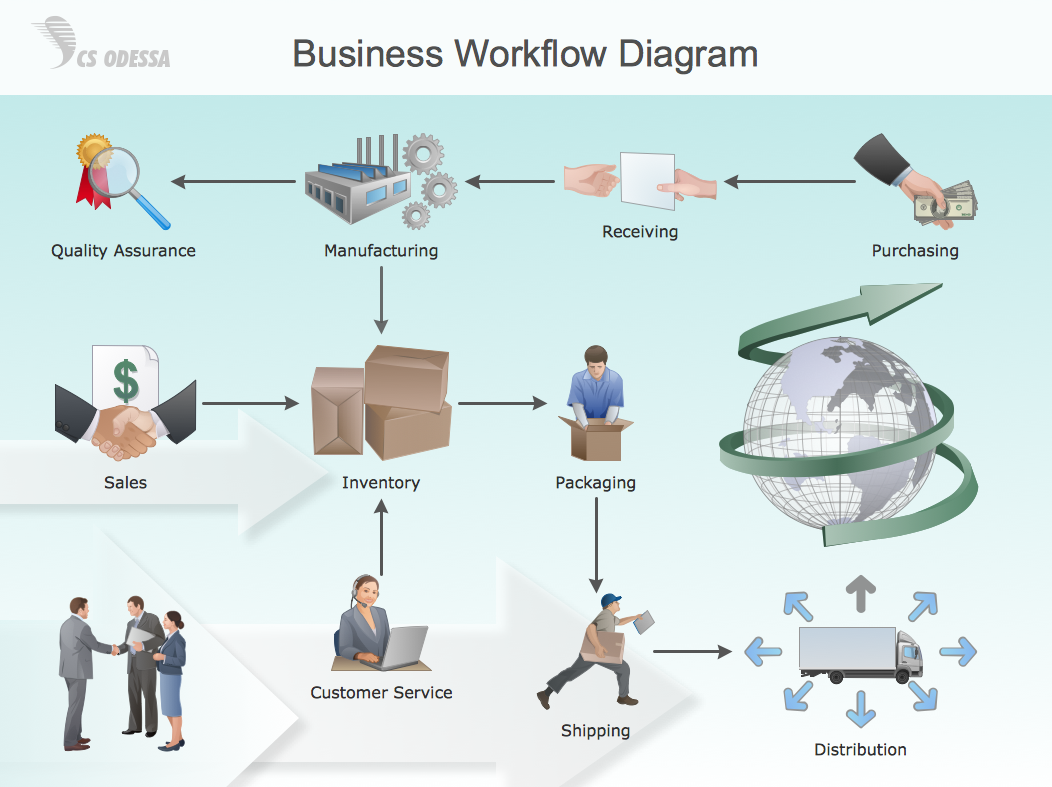
Traditional invoice processing is notoriously time-consuming and prone to human error. By automating this workflow, small businesses can reduce processing times by 70-80%.
Instead of manual data entry, optical character recognition (OCR) tools extract invoice details and automatically route them for managerial approval. This accelerates payment cycles, prevents late fees, and allows your finance team to focus on strategic cash flow forecasting.
2. Streamlined Customer Onboarding and CRM Integration
First impressions matter, and a clunky onboarding process can drive new clients away. Automating welcome emails, contract signings, and CRM data entry can reduce onboarding time by 60-70%.
When a new customer signs a digital agreement, the workflow automatically creates their profile in your CRM, assigns an account manager, and triggers a personalized welcome sequence. This ensures a seamless, professional experience that boosts long-term retention.
3. AI-Driven Recruitment and Employee Onboarding
Hiring top talent is a major challenge for small businesses competing with large corporations. Utilizing AI-driven recruitment automation can cut time-to-hire by 40-50% while promoting diversity through unbiased resume screenings.
Once a candidate is hired, automated onboarding workflows can instantly provision IT access, send digital tax forms, and schedule introductory meetings. This structured approach ensures new hires feel supported and productive from day one.
4. Personalized Email Marketing and Lead Nurturing
Generic email blasts are no longer effective in 2026. Implementing personalized email marketing automation based on user behavior can enhance engagement by 50-100%.
Workflows can track website interactions, cart abandonments, and past purchase history to trigger highly tailored campaigns. This level of customization generates significantly higher revenue and builds deeper brand loyalty without requiring a massive marketing team.
5. Inventory Management and Automated Reordering
Running out of best-selling products is a nightmare for retail and e-commerce small businesses. Optimizing inventory management with automated reorder notifications minimizes stockouts and cuts management time by up to 50%.
By integrating your POS system with your supplier’s API, workflows can automatically generate purchase orders when stock levels hit a predefined threshold. This ensures you always have the right products on hand without overcommitting capital to excess inventory.
6. Content Creation and Marketing Campaign Execution
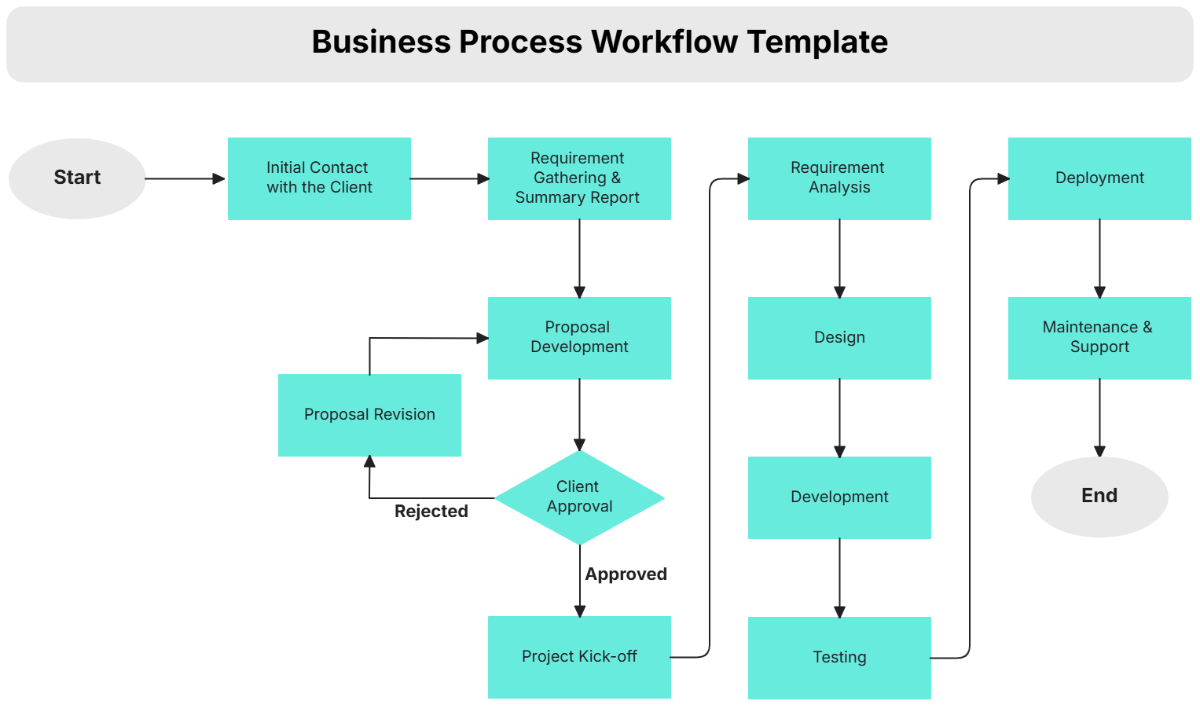
Marketing teams often face tight deadlines and large volumes of work involving content creation and analytics. Streamlined workflows help manage these processes efficiently, enabling teams to focus on impactful strategies.
A standardized workflow assigns tasks for research, design, and copywriting, then automatically routes drafts for editorial review. Once approved, the system schedules the content for publication across multiple platforms and tracks performance via integrated analytics.
7. Automated Follow-Ups and Appointment Reminders
For service-based small businesses, missed appointments and forgotten follow-ups directly equal lost revenue. Implementing automatic appointment reminders and post-service follow-up emails ensures consistent communication.
These simple workflow automation ideas reduce no-show rates dramatically and encourage customers to leave positive reviews. It keeps your business top-of-mind while freeing up your front-desk staff to handle complex, in-person customer inquiries.
How to Implement Workflow Improvements in Your Business. Understanding how to implement these workflow improvement examples for small businesses is crucial for success.
Step 1: Identify Inefficiencies and Map Processes. This initial step is fundamental for identifying potential workflow improvement examples for small businesses.
Before changing anything, you must understand your current state. Map out your processes, document each step, and analyze the data for bottlenecks.
Gather feedback from the employees and customers who interact with these processes daily. Look for redundant steps, excessive handoffs, and delays that indicate operational waste.
Step 2: Choose the Right Automation Tools. Selecting appropriate tools is key to realizing the benefits of workflow improvement examples for small businesses.
In 2026, the market is flooded with workflow automation platforms tailored for small businesses. Tools like IFTTT, Zoho Creator, and Activepieces allow you to connect disparate apps and automate repetitive tasks with minimal coding.
Select tools that offer scalability, robust integrations, and data-driven insights. Ensure the software can grow alongside your business without requiring a complete system overhaul in a few years.
Step 3: Train Your Team and Iterate. Successful implementation of workflow improvement examples for small businesses hinges on proper training and continuous iteration.
Business process improvement is an iterative approach, not a one-time event. Roll out new workflows in phases and provide comprehensive training to your team.
Monitor the performance of your new workflows using automated data analytics. Continuously gather feedback, tweak the parameters, and optimize the processes to adapt to changing business requirements.
Frequently Asked Questions (FAQ)
What is the best workflow automation tool for small businesses in 2026?
There is no single "best" tool, as it depends on your specific operational needs. However, platforms like Zoho Creator, IFTTT, and Activepieces are highly recommended for their user-friendly interfaces, extensive app integrations, and affordability for small business budgets.
How long does it take to see ROI from process improvement? The ROI from implementing workflow improvement examples for small businesses can be seen relatively quickly.
Most small businesses begin to see a measurable return on investment within 3 to 6 months of implementation. Quick wins, like automated invoice processing and appointment reminders, can yield immediate time and cost savings, while complex workflows like AI recruitment may take longer to fully mature.
Can Lean and Six Sigma be applied to small businesses?
Absolutely. While traditionally associated with large manufacturing corporations, the core principles of Lean methodology (eliminating waste) and Six Sigma (reducing errors) are highly applicable to small businesses. Adapting these frameworks helps small teams streamline operations, improve service quality, and maximize limited resources. These methodologies are excellent foundations for developing practical workflow improvement examples for small businesses.
What is the biggest mistake to avoid when automating workflows?
The most common mistake is automating a broken process. If a manual workflow is inherently flawed or overly complex, automating it will only speed up the creation of errors. Always simplify and optimize the process logic before applying automation software.
Conclusion
In the hyper-competitive landscape of 2026, resting on your laurels is not an option. Workflow improvement examples for small businesses demonstrate that optimizing operations is the key to unlocking scalability, profitability, and employee satisfaction.
By embracing business process improvement methodologies and leveraging modern workflow automation tools, you can eliminate bottlenecks and focus on what truly matters: growing your business. These strategies are the bedrock of successful workflow improvement examples for small businesses. Start small, map your inefficiencies, and iteratively transform your workflows to build a resilient, future-proof company.
References
- Cflow — 10 Examples of Process Improvement, 2026
- BizSugar — 7 Inspiring Examples of Workflow Automation to Boost Business Efficiency, 2026
- IFTTT — Small business automation: 7 tasks and workflow examples, 2026
- Zoho — 10 business workflow examples to boost efficiency, 2025
- Growth Tactics — 30 Ideas for Process Improvement (Tips + Examples), 2025