Time is the most valuable thing a business has.
Every minute lost is money gone forever.
In 2026, smart companies do not work harder.
They work smarter by fixing small things.
Simple changes can save hours every single day.
You do not need big budgets to start.
You just need to look at how you work.
This guide shows you easy ways to save time.
We will use simple words so anyone can understand.
Let us make your business faster and better today.
Why Small Changes Matter More Than Ever
Many bosses think they need huge plans to fix problems.
They want to buy expensive robots or new software.
But often, the best fixes are very small and cheap.
A tiny tweak can save thousands of dollars a year.
Think of it like fixing a leaky faucet at home.
You do not need to rebuild the whole house.
You just need to tighten one small screw.
In business, these small screws are called process improvements.
They stop waste before it becomes a big flood.
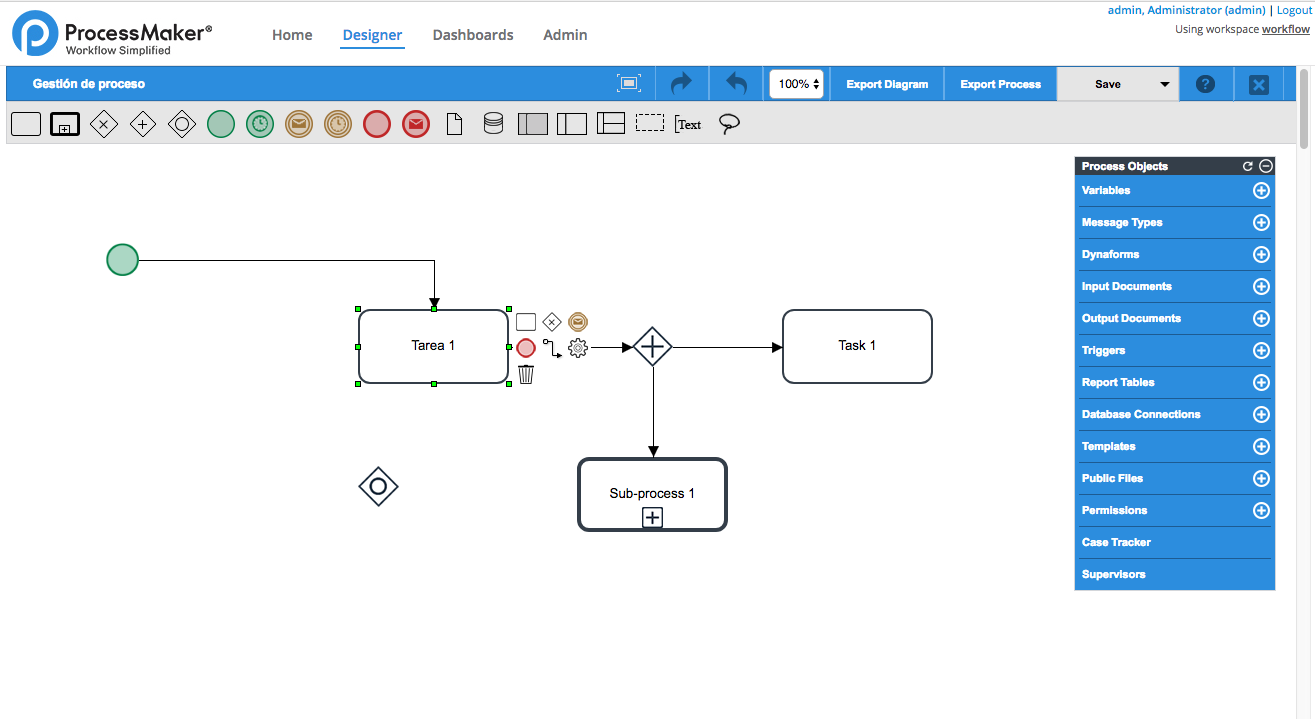
Studies show that many jobs have steps that can be automated.
Imagine if your team had extra time every day.
They could focus on creative ideas instead of boring tasks.
This makes everyone happier and more productive at work.
Small changes also help teams talk to each other better.
When rules are clear, nobody gets confused or frustrated.
In 2026, speed is the key to winning in business.
If you are slow, your competitors will pass you by.
Simple improvements help you move fast without making mistakes.
It is the secret weapon for growing your company now.
Finding the Hidden Time Wasters
Before you fix anything, you must find the problem first.
Most businesses have hidden traps that steal time every day.
These traps are often hard to see because they feel normal.
Employees might say, "We have always done it this way."
But "always" does not mean it is the best way.
You need to act like a detective to find the clues.
Look for places where work stops or slows down too much.
These spots are called bottlenecks, and they hurt your flow.
A bottleneck is like a traffic jam on a busy highway.
Cars pile up, and nobody can move forward quickly.
How to Map Your Current Work
The first step is to draw a picture of your work.
This is called process mapping, and it is very simple.
Grab a piece of paper and write down every single step.
Start from the beginning and go all the way to the end.
Ask your team what they do at each stage of the job.
Write down who does the task and how long it takes.
You will soon see steps that do not make any sense.
Maybe someone signs a paper three times for no reason.
Maybe data is typed into two different computers by hand.
These are the red flags that tell you where to fix things.
Once you see the map, the solutions become very clear.
Listening to Your Team's Stories
Your employees know the problems better than anyone else.
They are the ones doing the hard work every single day.
Ask them what makes their job difficult or annoying.
Listen carefully when they complain about waiting for approvals.
Pay attention when they mention fixing the same error again.
These complaints are actually gifts that show you the way.
Create a safe space where people can share honest ideas.
Do not blame anyone for the bad processes in place.
Blame the system, not the person working within it.
When people feel heard, they will offer great solutions.
Their ideas are often the simplest and most effective ones.
Top Simple Improvements You Can Start Today
Now that you know where the problems are, let us fix them.
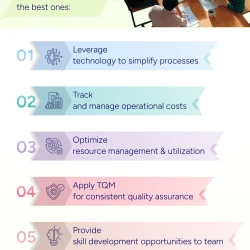
Here are easy changes that save time immediately in 2026.
You can start these today without spending a lot of money.
Each one targets a common waste of time in offices.
Try them one by one to see what works best for you.
Stop Using Paper for Everything
Paper is slow, messy, and easy to lose in piles.
Digitizing your documents is one of the fastest ways to save time.
Switch from filing cabinets to cloud storage on your computer.
Use digital forms that fill themselves out with smart tools.
When data is digital, you can find it in seconds.
No more walking across the room to hunt for a folder.
Digital files can be shared with a click of a button.
Everyone sees the same version, so confusion goes away completely.
Signatures can be done online without printing or scanning anything.
This simple shift cuts hours off administrative tasks every week.
Automate Repetitive Tasks with Smart Tools
Repetition is the enemy of creativity and speed in work.
If you do the same click five times a day, stop.
Let a computer program do those clicks for you automatically.
In 2026, AI tools are very good at handling boring jobs.
Set up rules so emails get sorted into folders by themselves.
Let software send reminder messages when a bill is due.
Use bots to copy data from one app to another safely.
This frees up your humans to do work that needs thinking.
Automation reduces errors because machines do not get tired or distracted.
It is like having a helper who never sleeps or makes mistakes.
Fix Quality Checks Before the End
Many companies wait until the very end to check for errors.
This creates a big backup line where everything stops moving.
It is like checking a car only after it is fully built.
If there is a problem, you must take the whole car apart.
Instead, check for problems at every small step along the way.
This is called spot checking, and it keeps things flowing.
If a mistake happens early, you fix it right then and there.
This prevents small errors from becoming big disasters later on.
One factory saved twenty thousand pounds just by changing this rule.
They checked products during assembly, not just at the finish line.
Production speed went up, and wasted materials went down significantly.
Make Communication Clear and Short
Long meetings and confusing emails steal huge amounts of time.
People spend hours reading messages that do not matter to them.
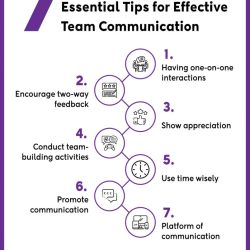
Set clear rules for how your team talks to each other.
Keep meetings short and only invite people who really need to be there.
Use chat apps for quick questions instead of long email chains.
Write subject lines that tell exactly what the message is about.
Create a central place where everyone can find answers easily.
Stop asking the same question over and over to different people.
When information is easy to find, work gets done faster.
Clear communication stops the game of telephone from wasting your day.
Balance Who Does What Work
Sometimes one person is overwhelmed while another has nothing to do.
This imbalance slows down the whole team and causes stress.
Look at who is doing which tasks in your daily routine.
Move some work from busy people to those with free time.
Make sure everyone has the right skills for their assigned jobs.
If someone struggles with a task, train them or swap roles.
Balancing the load helps everyone finish their work on time.
It also prevents burnout, which makes people leave their jobs.
A happy, balanced team works much faster than a stressed one.
Fair distribution of work is a simple key to high speed.
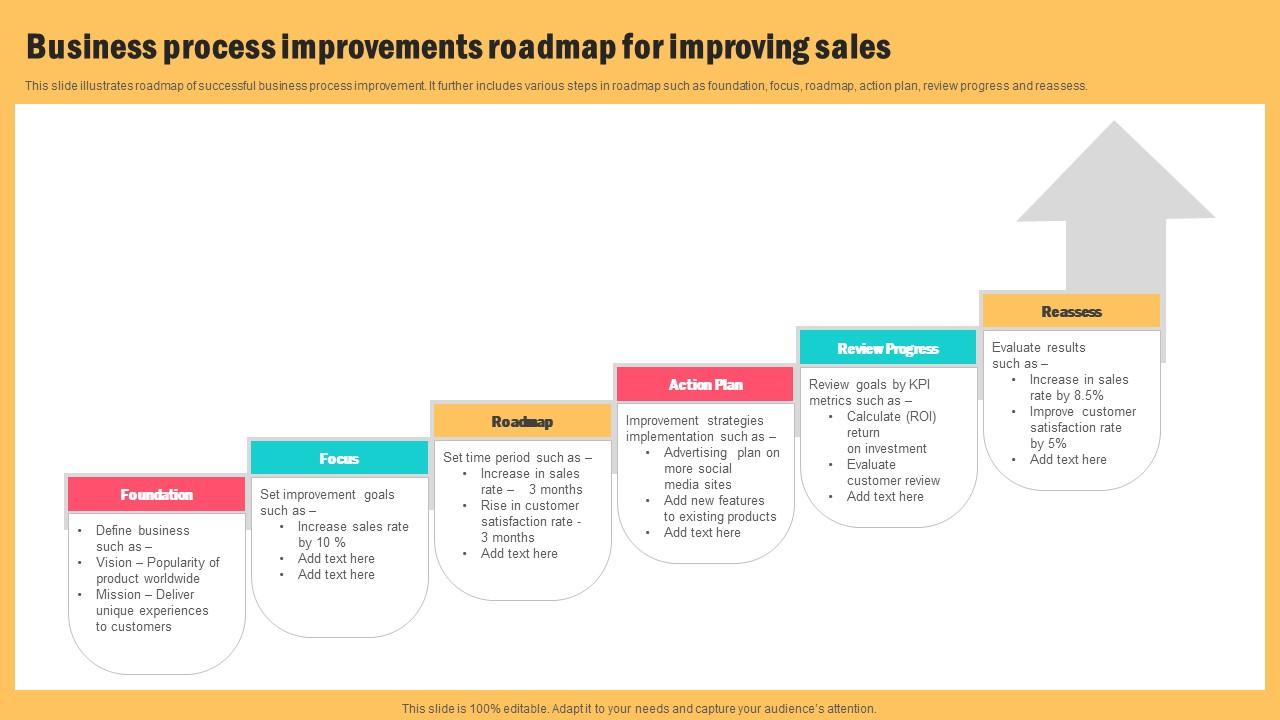
Proven Methods to Guide Your Improvements
You do not have to guess how to improve your business.
Smart leaders use proven methods that have worked for years.
These methods give you a roadmap to follow step by step.
They help you stay focused and measure your success clearly.
Here are three simple methods perfect for small and big teams.
The Lean Method: Cut the Fat
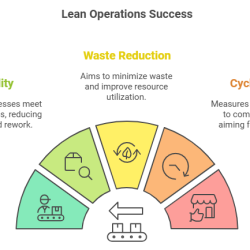
Lean thinking is all about removing anything that adds no value.
Imagine a butcher trimming fat off meat to make it leaner.
In business, "fat" means steps that customers do not care about.
Waiting time, extra movement, and unused talent are all fat.
Ask yourself if a step helps the customer get what they want.
If the answer is no, then cut that step out completely.
This makes your process shorter, cheaper, and much faster.
Lean is great for companies that want to move very quickly.
It teaches you to do more with less effort and waste.
Focus only on what truly matters to the people you serve.
Six Sigma: Aim for Perfection
Six Sigma sounds complicated, but the idea is very simple.
It is about making sure your work has almost zero errors.
The goal is to have only a few mistakes in a million tries.
This method uses facts and numbers to find the root cause.
Do not just fix the symptom; fix the reason it happened.
Follow five steps: Define the problem, Measure it, Analyze data, Improve it, and Control it.
This cycle helps you solve hard problems that keep coming back.
It is perfect for processes where quality must be perfect every time.
Banks and hospitals use this to keep money and patients safe.
Data drives your decisions so you never guess wrong again.
Kaizen: Get Better Every Day
Kaizen is a Japanese word that means "change for the better."
It focuses on making tiny improvements every single day.
You do not need a big revolution to see big results.
Encourage every employee to suggest one small idea each week.
Maybe it is moving a stapler closer to save reaching time.
Maybe it is renaming a file folder so it is easier to find.
These small wins add up to massive changes over a year.
Kaizen builds a culture where everyone cares about getting better.
It is low risk because the changes are small and easy to test.
Continuous improvement keeps your business fresh and always moving forward.
Using Technology Wisely in 2026
Technology in 2026 is not just about having the newest gadgets.
It is about using tools that fit your specific needs perfectly.
AI and automation are now easy for anyone to use.
You do not need to be a computer expert to benefit.
Many tools now guide you through setting up automatic workflows.
They learn from your habits and suggest ways to save time.
Cloud systems let your team work together from anywhere in the world.
This flexibility saves travel time and allows for faster decisions.
Choose tools that talk to each other so data flows smoothly.
Avoid buying software that creates more work instead of less.
The best technology disappears into the background and just works.
It should feel like magic, making hard tasks seem effortless.
Always test a new tool with a small group first.
Make sure it actually saves time before rolling it out to all.
Training your team is just as important as buying the software.
A smart tool in untrained hands is just an expensive toy.
Invest in learning so your team can unlock the full power.
Technology is the engine, but your people are the drivers.
Overcoming Common Roadblocks to Change
Even simple changes can face resistance from people in your company.
Humans naturally like to stick to what they know and trust.
Fear of the unknown often stops good ideas from happening.
Some employees might worry that new tools will take their jobs.
Others might feel that learning something new is too hard.
As a leader, your job is to calm these fears gently.
Explain clearly why the change is happening and how it helps.
Show them that the goal is to remove boring work, not people.
Celebrate the small wins publicly so everyone sees the benefits.
When people see others succeeding, they will want to join in.
Start with a pilot project to prove the idea works safely.
Pick a team that is excited to try the new way.
Let their success story inspire the rest of the organization.
Be patient and ready to answer questions whenever they arise.
Change takes time, but the reward is worth the effort.
Keep communicating openly to build trust throughout the journey.
Remember that every expert was once a beginner who tried.
Measuring Your Success Clearly
You cannot improve what you do not measure and track.
Set clear goals before you start making any changes at all.
Decide exactly what "saving time" looks like for your team.
Is it reducing a task from one hour to thirty minutes?
Is it cutting the number of errors in half by next month?
Write these numbers down so you can compare them later.
Use simple dashboards to watch your progress in real time.
Check your data weekly to see if you are on track.
If a change is not working, do not be afraid to pivot.
Try a different approach until you find the right fit.
Share your results with the whole company to keep momentum going.
Numbers tell a story that proves your hard work pays off.
Celebrating these metrics keeps everyone motivated to keep improving.
Success breeds more success when you can see it clearly.
Make measuring a habit, not just a one-time activity.
This ensures your improvements last long into the future.
Frequently Asked Questions
Q: Do I need a big budget to improve my business processes?
A: No, you do not need a lot of money to start.
Many of the best improvements cost nothing but a little thought.
Rearranging a desk or changing a meeting schedule is free.
Even digital tools often have free versions that work well.
Start with simple behavioral changes before buying expensive software.
Q: How long does it take to see results from these changes?
A: You can often see results in just a few days.
Simple tweaks like stopping unnecessary meetings show immediate effects.
More complex changes like automation might take a few weeks.
The key is to start small and build up speed.
Consistency is more important than the size of the change.
Q: Will my employees resist these new ways of working?
A: Some might feel unsure at first, which is normal.
People fear change because they do not know what to expect.
Involve them in the planning so they feel part of the solution.
Explain how the changes make their daily lives easier.
Support them with training and patience as they adjust.
Q: What is the first step I should take tomorrow morning?
A: Pick one annoying task that wastes your time every day.
Watch how it is done and write down every single step.
Ask your team why that step exists and if it is needed.
Find one thing you can remove or simplify immediately.
Take action on that one thing before lunch time.
Q: Can these methods work for a very small business?
A: Yes, these methods work for businesses of any size.
Small businesses often benefit even more because they are agile.
You can make decisions faster and try new ideas quickly.
Lean and Kaizen were designed to be flexible for everyone.
Start today, regardless of how many people work for you.
Conclusion
Saving time in your business does not require a miracle.
It starts with looking closely at the work you do now.
Small, simple changes can lead to huge savings and growth.
In 2026, the winners will be those who adapt the fastest.
Use the tips in this guide to find your own hidden wastes.
Cut the fat, automate the boring parts, and balance your team.
Remember that every minute saved is a minute earned back.
Your team will thank you for making their work easier.
Your customers will thank you for faster and better service.
Start your journey of improvement today with just one small step.
The future belongs to those who are willing to get better.
Keep learning, keep trying, and keep your processes simple.
Success is just a series of small improvements added together.
Go ahead and make your business the best it can be.
References
- Cflow — 10 Examples of Process Improvement for Efficient Performance, 2026
- Scribe — 11 Business Process Improvement Examples That Work, 2026
- OneNine — 9 Key Business Process Improvement Methods for 2025
- Asana — 7 Process Improvement Methodologies to Improve Efficiency, 2026
- Growth Tactics — 30 Ideas for Process Improvement (Tips + Examples), 2025
- LinkedIn — The Power of Simple Changes: How Small Tweaks Lead to Big Savings, 2024
- Hieu Dinh — 9 Essential Business Process Improvement Techniques for 2025
- Process Excellence News — Process Excellence Trends 2026: Future of Business Operations