Working together is the secret to success. Teams that talk and share ideas win more often. In 2026, work moves faster than ever before. You need simple ways to help your team do their best work. Good teamwork means less stress and more happy workers. It helps everyone reach big goals without getting stuck. This guide shows you easy steps to fix common problems, outlining simple collaboration strategies for better team productivity. You will learn how to build trust and use smart tools. Let us make your team stronger today.
Why Teamwork Matters More Than Ever
Teamwork is not just about being nice to each other. It is about mixing different skills to solve hard puzzles. When people work alone, they miss out on great ideas. Groups can think of better solutions than one person. Studies show that engaged teams finish projects much faster. They also make fewer mistakes along the way. In 2026, companies rely on this speed to stay ahead. If your team does not work well, you lose time and money. Bad teamwork causes confusion and makes people feel tired. Good teamwork creates a place where everyone feels safe, a key outcome of simple collaboration strategies for better team productivity. People want to share their thoughts when they feel heard. This leads to new inventions and better products.
The Cost of Poor Communication
When teams do not talk, things go wrong quickly. Tasks get done twice by accident. Important details get lost in long email chains. Workers spend hours fixing errors instead of creating value. This waste hurts the whole company budget. Many employees feel frustrated when plans are unclear. They might even look for new jobs elsewhere. Keeping your team connected saves you from these headaches, highlighting the need for simple collaboration strategies for better team productivity. Clear talks stop small issues from becoming big fires. Everyone needs to know who is doing what. This clarity keeps the work moving forward smoothly.
Building a Culture of Trust
Trust is the glue that holds a team together. Without it, people hide their mistakes or hold back ideas. A team with trust moves fast because no one double-checks everything. You must create a space where it is safe to fail. When someone makes an error, the team helps fix it. They do not blame or shame the person. This feeling of safety lets people take smart risks. It encourages them to try new things without fear. Leaders must show trust first by listening to their staff. When leaders are open, the whole team follows suit. Trust grows slowly but breaks very easily. Protect it by being honest and kind every day, as trust is fundamental to simple collaboration strategies for better team productivity.
Setting Clear Goals and Roles
Confusion kills productivity before work even starts, making clear goals a core part of simple collaboration strategies for better team productivity. Everyone must know exactly what they need to achieve. Vague goals lead to wasted effort and missed deadlines. You need to set targets that are clear and easy to understand. Break big dreams into small steps that anyone can follow. This makes the work feel less scary and more doable. Each person should know their specific job on the team. Overlapping roles cause arguments and slow down progress. Define who leads each part of the project clearly. This stops two people from doing the same task. It also ensures no important job gets forgotten.
Defining Key Participants and Stakeholders
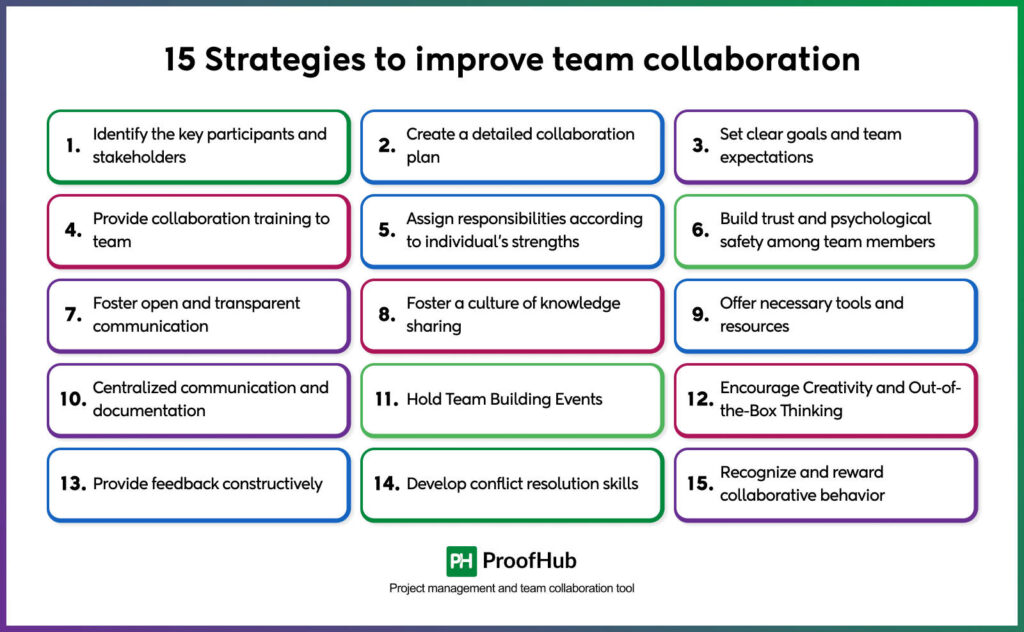
Not everyone works on the project in the same way. You must tell the difference between workers and observers. Key participants are the people doing the daily tasks. They make decisions and carry the heavy load. Stakeholders are people who care about the result. They might not do the work, but they give feedback. Knowing this list helps teams focus on the right people. It stops unnecessary meetings with people who do not need to be there. It also ensures decision-makers are always included. Clear lists prevent confusion about who has the final say. This structure keeps the workflow smooth and logical, a direct benefit of applying simple collaboration strategies for better team productivity.
Using Smart Goal Frameworks
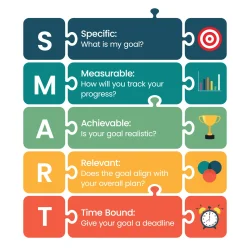
Old ways of setting goals often fail in modern teams. Use simple frameworks that everyone can remember easily. Make sure every goal has a clear end date attached to it. Goals should be measurable so you can track progress. Ask yourself if the goal is realistic for your team size. Too hard goals make people give up before they start. Too easy goals do not push the team to grow. Find the sweet spot where challenge meets ability. Review these goals often to keep them fresh. Adjust them if the market changes or new info appears. Flexible goals help teams adapt to surprise challenges, a key component of simple collaboration strategies for better team productivity.
Mastering Communication in 2026
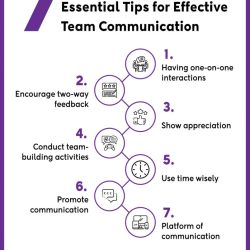
Talking is good, but talking well is better. Mastering communication is one of the most effective simple collaboration strategies for better team productivity. In 2026, we have many ways to send messages. Choosing the right tool for the right message is key. Some news needs a quick chat, while other news needs a meeting. Mixing these up wastes time and annoys your coworkers. Learn when to speak live and when to write notes. This skill saves hours of unnecessary discussion every week. Good communication also means listening as much as talking. Hear what others say before you jump in with answers. This respect builds stronger bonds between team members.
Embracing Asynchronous Work
Not everyone works at the same time anymore. Many teams span across different cities and time zones. Waiting for someone to wake up slows everything down. Asynchronous collaboration lets people work on their own schedule. You leave a message, and they reply when they can. This method gives people deep focus time without interruptions. It reduces the need for endless video calls during the day. Tools like shared documents make this style easy to manage. Everyone can see updates without needing a live meeting. This freedom boosts happiness and output significantly. Embracing asynchronous work is one of the simple collaboration strategies for better team productivity, especially for distributed teams. It respects personal time while keeping work moving.
Reducing Meeting Fatigue
Too many meetings stop real work from happening. Long calls drain energy and kill creativity fast. Cut down the number of meetings your team attends weekly. Ask if a meeting is truly needed before scheduling it. Often, a short email or update note works better. If you must meet, keep it short and focused on action. Set a strict time limit to force efficiency. Share an agenda beforehand so everyone comes prepared. End the call early if all points are covered. Give people back their time to do actual tasks. Less talking means more doing and better results, a principle behind simple collaboration strategies for better team productivity.
Leveraging Technology and AI Tools
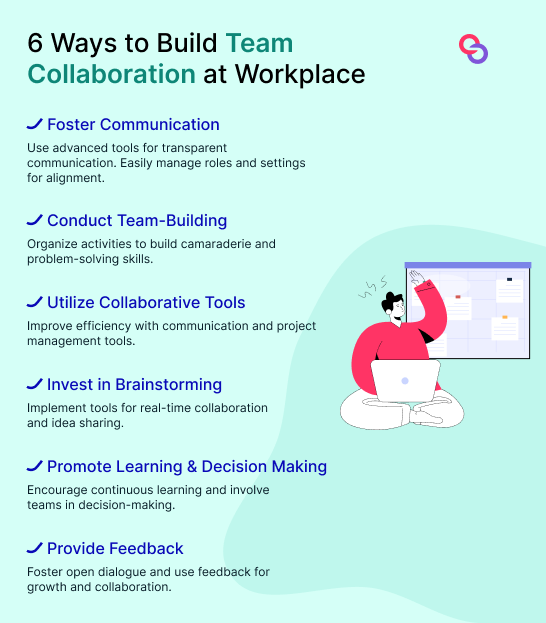
The right tools act like a superpower for your team. Leveraging technology and AI tools is among the most impactful simple collaboration strategies for better team productivity in the modern era. In 2026, artificial intelligence helps handle boring tasks. AI can sort emails, plan schedules, and find data instantly. This frees up humans to do creative and strategic work. Do not try to do everything by hand or on paper. Use software designed to connect people and projects seamlessly. These platforms keep all files in one safe place. No one wastes time hunting for lost documents anymore. Automation handles repetitive steps so no one gets bored. Smart tools alert you when a deadline is coming soon. They help managers see who needs help before it is too late.
Integrating Human and Agent Workflows
New technology blends human smarts with robot speed. AI agents can now run parts of your daily workflow. They act like digital teammates who never sleep or get tired. For example, an AI can gather reports from different sources automatically. Then it summarizes them for your team to read quickly. Humans then use this summary to make big decisions. This partnership makes the whole process much faster. It removes the dull parts of the job that people hate. Teams that use AI wisely get more done in less time. Learning to work with these tools is essential for the future, representing a key aspect of simple collaboration strategies for better team productivity.
Centralizing Project Management
Scattered information causes chaos and missed deadlines. Use one main platform to manage all your projects. This "single source of truth" keeps everyone aligned. Everyone sees the same status updates at the same time. It stops the game of telephone where messages get twisted. Features like Kanban boards show work stages clearly. You can drag tasks from "to-do" to "done" easily. Comments stay attached to the specific task they belong to. This organization reduces confusion and stress for everyone. Centralizing project management is one of the most effective simple collaboration strategies for better team productivity. It makes onboarding new team members much simpler too.
Fostering Psychological Safety and Trust
People do their best work when they feel safe. Psychological safety means you can speak up without fear. You can ask silly questions or admit mistakes freely. Teams with high safety levels innovate more often. They share wild ideas that turn into breakthroughs. Without safety, people stay quiet and hide problems. Small issues then grow into disasters later on. Leaders must encourage open talk every single day. Thank people for sharing bad news as much as good news. This behavior teaches the team that honesty is valued. Fostering psychological safety and trust is paramount among simple collaboration strategies for better team productivity. Trust grows when people see that vulnerability is okay.
Encouraging Diverse Perspectives
Different backgrounds bring different ways of thinking. A team of identical people will miss blind spots. Invite voices from various departments and life experiences. Listen to the quiet members who might have great insights. Diversity sparks creativity and solves problems faster. It prevents groupthink where everyone agrees just to fit in. Challenge your team to debate ideas respectfully. Conflict over ideas is good if handled with care. It leads to stronger solutions than easy agreement. Make sure everyone feels their view matters equally. This inclusion drives higher engagement and loyalty, a powerful outcome of applying simple collaboration strategies for better team productivity.
Celebrating Wins and Learning from Losses
Recognize good work often to keep morale high. Small wins deserve praise just as much as big ones. Public recognition makes people feel appreciated and seen. But do not ignore the times things go wrong. Treat failures as learning lessons instead of reasons to punish. Analyze what happened and how to fix it next time. This approach removes the fear of trying new things. Teams that learn from mistakes improve rapidly over time. Create a routine to review both successes and failures together. This balance keeps the team motivated and growing constantly, reinforcing the value of simple collaboration strategies for better team productivity.
Practical Steps to Implement Today
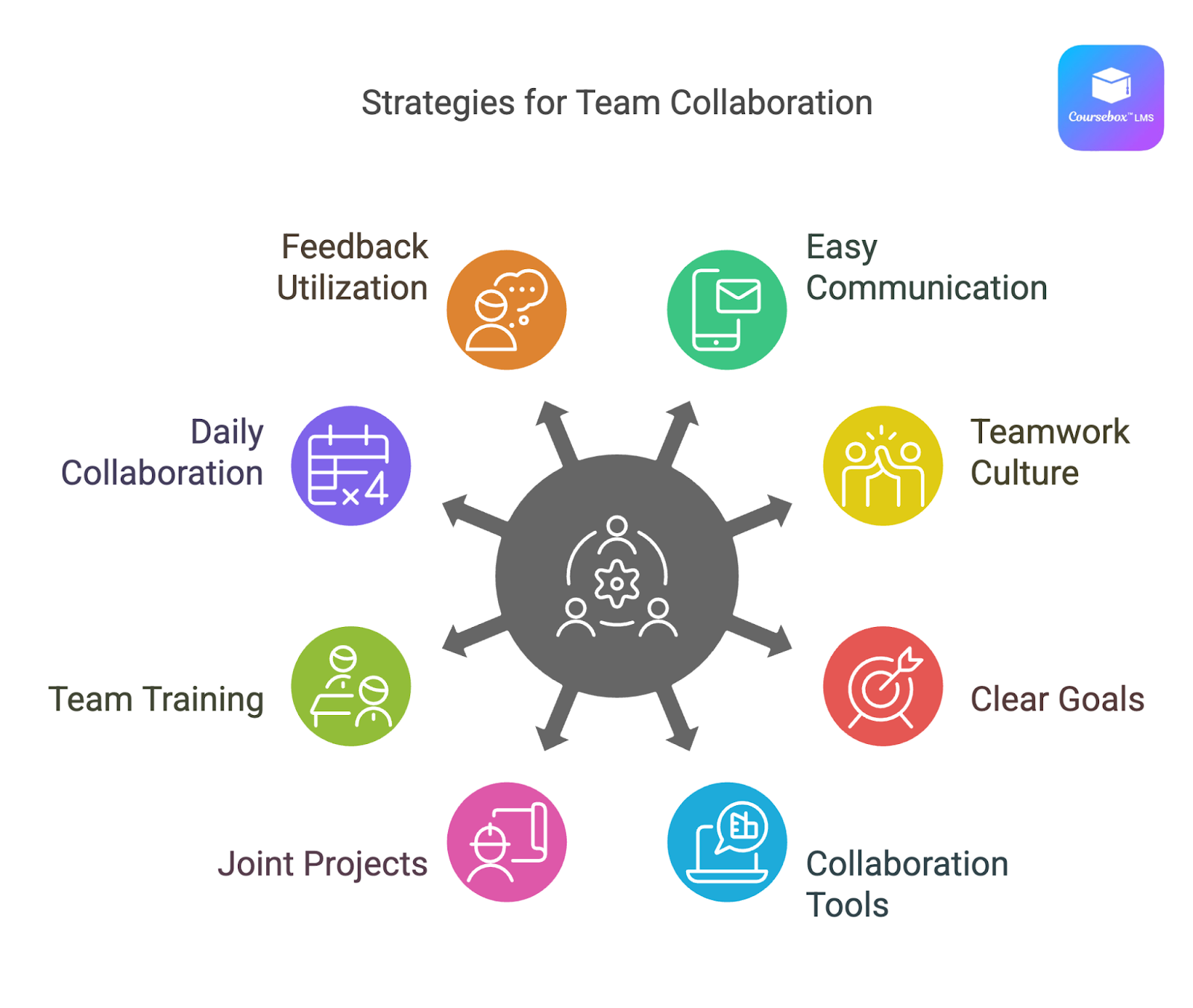
You do not need to change everything overnight. Start with small shifts that make a big impact. Pick one strategy from this list to try this week. Maybe you will cut one meeting or clarify one goal. See how the team reacts and adjust as needed. Consistency is more important than perfection in the beginning. Train your team on any new tools you introduce. Give them time to get used to the new habits. Ask for their feedback on what is working well. Listen to their suggestions for making things even better. Continuous improvement keeps your collaboration strong forever. These practical steps are simple collaboration strategies for better team productivity that you can implement today.
Creating a Feedback Loop
Feedback should flow in all directions, not just top-down. Managers need to hear from staff just as much as vice versa. Set up regular times to share constructive thoughts openly. Keep the tone helpful and focused on growth, not blame. Specific feedback helps people know exactly what to change. Vague comments like "do better" do not help anyone improve. Use data and examples to support your points clearly. When people receive good feedback, they feel supported. This cycle of giving and receiving builds a learning culture. Creating a feedback loop is one of the most vital simple collaboration strategies for better team productivity. It ensures the team adapts quickly to new needs.
Measuring Success with Data
How do you know if your strategies are working? Look at the numbers and the feelings of your team. Track metrics like project completion speed and error rates. Watch how engagement scores change over the months. Happy teams usually produce higher quality work consistently. Survey your employees about their collaboration experience regularly. Ask them what blocks them from doing their best work. Use this data to refine your approach continuously. What works for one team might not work for another. Stay flexible and ready to pivot based on real results. Measuring success with data helps refine your simple collaboration strategies for better team productivity. Data guides your decisions better than guesses ever could.
Overcoming Common Collaboration Roadblocks
Even the best teams face hurdles now and then. Overcoming common collaboration roadblocks is crucial for implementing simple collaboration strategies for better team productivity. Silos happen when groups stop talking to each other. Break these walls down by forcing cross-team projects. Resistance to change is another common problem people face. Explain the "why" behind new rules clearly to gain buy-in. Tool overload can confuse people who have too many apps. Simplify your tech stack to only the most essential tools. Time zone differences can delay responses in global teams. Rely on async methods to bridge these gaps effectively. Addressing these issues head-on keeps momentum strong. Do not let small friction stop your big progress.
Handling Conflict Constructively
Disagreements will happen whenever passionate people work together. The key is how you handle these moments of tension. Focus on the problem, not the personality of the person. Encourage parties to listen to understand, not just to reply. Mediate discussions to ensure fairness and respect for all sides. Find common ground that everyone can agree upon quickly. Compromise is often necessary to move forward together. View conflict as a chance to deepen understanding and trust. Healthy debate leads to better outcomes than avoiding issues. Handling conflict constructively is a vital part of simple collaboration strategies for better team productivity. Teach your team skills to navigate tough conversations calmly.
Adapting to Remote and Hybrid Models
Many teams now split time between home and office. This mix requires extra effort to stay connected. Ensure remote workers feel just as included as those onsite. Use video calls to add face-to-face connection when possible. Create digital spaces for casual chat and social bonding. Avoid favoring people who are physically present in the room. Make sure all documents are accessible from anywhere online. Check in regularly with remote staff to see how they feel. Flexibility is the core value of successful hybrid teams. Adapting to remote and hybrid models is a modern challenge addressed by simple collaboration strategies for better team productivity. Adapt your management style to fit this new reality well.
Conclusion
Building a productive team takes time and intentional effort. Simple collaboration strategies for better team productivity can transform how your group works. Start by setting clear goals and defining roles precisely. Master the art of communication using modern tools wisely. Foster a culture where trust and safety thrive naturally. Leverage AI and technology to remove boring obstacles. Measure your progress and keep improving step by step. The year 2026 demands teams that are agile and united. By following these simple collaboration strategies for better team productivity, you will unlock your team’s full potential. Remember that small changes lead to big results over time. Your journey to better teamwork starts with the very next conversation you have.
FAQ
What is the most important factor for team collaboration?
Trust is the most critical element for any team to succeed. Without trust, people hide ideas and fear making mistakes. Open communication builds this trust over time effectively, forming a core part of simple collaboration strategies for better team productivity.
How can I reduce too many meetings in my team?
Review every meeting invite to see if it is truly necessary. Replace status updates with written notes or dashboards instead. Keep required meetings short with clear agendas for everyone. These are key simple collaboration strategies for better team productivity to reduce meeting fatigue.
Why is psychological safety important for productivity?
Safety allows team members to share risks and admit errors freely. This openness leads to faster problem-solving and more innovation. Fear stops people from contributing their best work daily, making psychological safety a vital part of simple collaboration strategies for better team productivity.
What role does AI play in team collaboration in 2026?
AI handles repetitive tasks and organizes data for humans quickly. It acts as a digital assistant to speed up workflows significantly. This lets people focus on creative and strategic thinking, making AI a powerful tool for simple collaboration strategies for better team productivity.
How do I measure if our collaboration is improving?
Track project delivery speeds and employee satisfaction surveys regularly. Look for fewer errors and faster decision-making times too. Feedback from the team provides the clearest signs of progress when implementing simple collaboration strategies for better team productivity.
References
- ProofHub — 15 Collaboration Strategies to Improve Teamwork in the Workplace, 2025
- Asana — Collaboration in the Workplace: 11 Strategies & Tools, 2026
- PositivePsychology.com — Enhancing Collaboration In The Workplace: 5 Strategies, 2025
- Creately — 12 Collaboration Strategies to Transform Your Team's Performance, 2026
- Clockdiary — How to Improve Team Productivity: 25 Proven Strategies, 2026
- Wrike — 15 Collaboration Strategies That Make Teamwork Actually Work, 2026
- HR Cloud — 10 Effective Strategies to Boost Team Efficiency and Productivity, 2025
- HubSpot — 12 Crucial Strategies for Promoting Team Collaboration, 2026